Getting Better Leads with a Custom Home Builder Website Strategy

In This Post
A lot of builders come into a website project thinking they need a refresh. They want updated photography, cleaner design, better colors, stronger typography, or a site that just feels more current. Sometimes, that’s exactly what the website needs. Most of the time, it isn’t. The difference between a website refresh and a ground-up custom home builder website strategy comes down to the foundation.
A refresh improves what’s already there. A strategic rebuild looks at whether what’s there is actually working. That distinction matters because a website can look significantly better without attracting better-fit clients, improving conversion, or making the sales process any easier. A refresh changes the surface. Strategy changes how the website performs.

What a Website Refresh Actually Does
A website refresh starts with an existing foundation that’s fundamentally sound. The messaging is clear. The brand identity reflects the caliber of the work. The structure makes sense. The site is already attracting the right people and helping them move toward an inquiry. It simply needs updating. That might include new project photography, refreshed copy, a more current visual design, improved functionality, or the application of a recently completed rebrand. The bones are good. The work is about refinement.
This can be the right move for a builder who has already invested in professional branding and messaging but needs the website to catch up. In that case, a refresh can improve consistency, strengthen first impressions, and create a more polished experience without rebuilding everything from the ground up. The challenge is that many builders don’t have that foundation in place. They may have a logo, a collection of project photos, and a website that has been edited several times over the years, but they have never clarified the core message or built the site around a deliberate client journey. I see this all the time. A builder thinks the website needs a visual update, but the deeper issue is that the site has never been given a clear strategy. In those cases, a refresh can only go so far.
Better Design Does Not Mean Better Leads
One of the most common things we hear is, “I just want our website to look good.” What builders usually want is much deeper than that. They feel that something about their online presence is costing them opportunities. They may be attracting the wrong project types, losing referrals who never reach out, or starting every sales conversation from zero because the website hasn’t done enough to build trust beforehand.
A visual update alone won’t solve those problems. If the story the website tells doesn’t reflect the quality of the builder behind it, the site may still feel off even after it looks more polished. What it really comes down to is the layer beneath the design. The problem was never purely visual.
What Ground-Up Website Strategy Really Means
Ground-up website strategy starts before the design phase. For a custom home builder, it works a lot like preconstruction. The decisions made early determine the quality, clarity, and performance of everything that follows. The first step is messaging. Before we ever start thinking about design, we get clear on who you're trying to reach, what that client needs to understand before reaching out, and what actually makes your company different. That's the foundation everything else gets built on.
Once the message is clear, the strategy moves into brand identity. This is not only about a logo. It includes the colors, typography, imagery, tone, and overall visual language that communicate the caliber of the work before someone reads a single paragraph. From there, we intentionally plan the structure of the website. We determine which pages the site needs, the order in which a prospect should move through them, and how the portfolio can build trust instead of simply displaying images. We also decide what the process page needs to communicate and where calls to action should appear. Every one of those decisions affects whether the website converts the right visitors into serious inquiries. In short, strategy gives the design something real to express.

Free Guide: The 10 Things Every Home Builder Website Needs
Download the free guide and apply simple website strategies to land more projects and become the go-to builder in your area this year!
Signs the Problem Is Structural
There are a few clear signs that the issue goes beyond aesthetics. The first is traffic without action. People are finding your website, spending time on important pages, and are still leaving without reaching out. That usually signals a disconnect between what they came looking for and what the site gave them. The second is attracting the wrong types of projects. If inquiries consistently fall below your minimum, come from outside your service area, or involve work you don’t want to take on, the website isn’t filtering clearly enough.
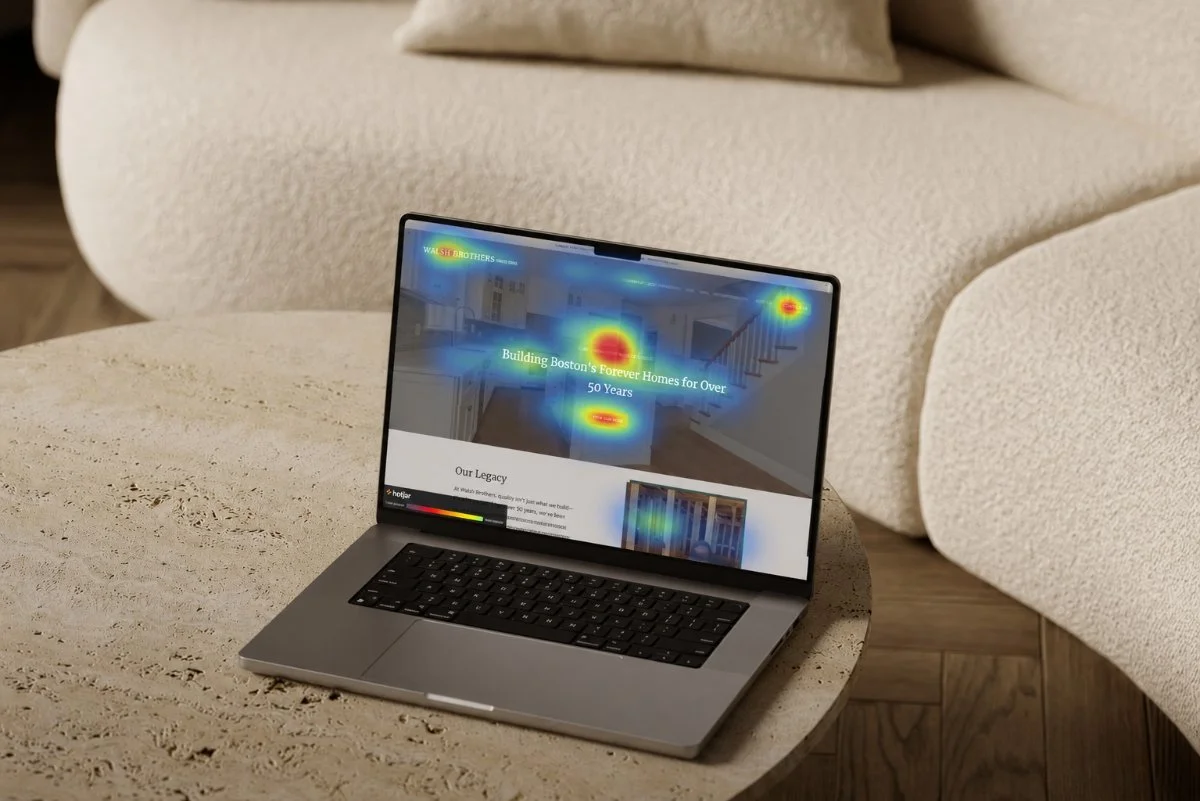
This is where user performance tools become really helpful. We can actually watch how people move through the site, where they hesitate, what they're trying to click, and how long it takes them to find the information they're looking for. When people spend a substantial amount of time searching and still leave, you know you’ve found your problem.
Better Leads May Mean Fewer Leads
One of the most important parts of custom home builder website strategy is redefining what success looks like. More inquiries are not always the goal. The right inquiries are. A stronger website may actually produce fewer total leads while improving the quality of those leads significantly.
That surprises a lot of builders at first, but it means fewer conversations with the wrong people, and more discovery calls with prospects who already understand the process, investment, and value of the work. When the website communicates clearly, the right clients arrive more prepared, and the wrong ones self select out.
What to Improve First (If a Full Rebuild Isn’t Possible)
Not every builder is ready to invest in a ground-up website project today, and that’s okay. The best place to start is your messaging. Get clear about who you’re building for, what matters most to that person, and why your company is the right fit.
Photography is usually the next highest-leverage investment. Strong project photography raises the perceived value of the work and gives the website better material to work with. From there, focus on the pages doing the most filtering: the homepage, portfolio, and process or services page. Clarifying those pages often improves lead quality even within an existing website. When the time is right for a full rebuild, those pieces can come together into one cohesive strategy.
Your website starts shaping first impressions within seconds. Learn what visitors notice first, and what might be costing you qualified leads.
Get Started with Your Custom Home Builder Website Strategy
At the end of the day, a refresh is the right choice when the foundation is working and the website simply needs refinement. But when the messaging is unclear, the wrong clients are reaching out, or the site is not building enough trust to support the sales process, a custom home builder website strategy will create a much more meaningful shift.
The goal is a website that attracts the right people, prepares them to work with you, and reflects the quality of the business behind it. If your website looks better than it performs, schedule a discovery call today.

Need a custom home builder website that works as a strong source of lead generation? Let's talk!
I work with custom home builders and renovation companies to design strategic websites that are effective in turning website browsers into buyers. Let's chat about what a custom website can do for your business on a free 30-minute consultation today!