In This Post
For builders, remodelers, and interior designers, the quality of leads you generate matters. One of the biggest misconceptions in marketing is that more traffic automatically means more business. In reality, attracting hundreds of inquiries for projects you don't want is far less valuable than attracting a handful of inquiries from ideal clients. That's where an intentional, well-crafted website design strategy comes in. When a website is strategically aligned with your goals, it becomes a filtering tool. It helps the right people feel confident reaching out while encouraging the wrong-fit prospects to self-select out before they ever hit your contact form.
Define the Work You Actually Want
Before we touch a sitemap, write copy, or discuss design direction, we start with strategy. The first question we ask every builder or designer is simple: we want to know whether you're happy with the work you're doing now, or whether you're trying to attract something different.
Many builders offer both custom homes and renovations, but not all of them want both. Some renovation contractors are actively trying to break into custom homes. Others want to move away from small projects and focus exclusively on large-scale remodels. Getting clear on that distinction is critical because your website should reflect where you're going, not where you've been.
We also discuss factors such as project scope, budget minimums, preferred service areas and styles, and long-term business goals. For example, if a builder won't take on renovations under $300,000 or custom homes under $2 million, that information should influence every aspect of the website strategy.

Why Builders Attract the Wrong Inquiries
One of the most common issues we see is a disconnect between what a company wants and what their website is communicating. Often, builders are working with SEO companies whose primary goal is increasing traffic. To accomplish that, they'll add pages for every possible service imaginable.
The problem is the website starts attracting projects the builder doesn't actually want. If your branding, messaging, and visuals don't reflect the caliber of projects you're hoping to attract, your ideal clients may never realize you're the right fit.
Here’s how you can prequalify clients!
The Website Elements That Shape Lead Quality
Certain areas of a website have a major impact on the types of inquiries a company receives.
Services Breakdown
Your services page tells prospects exactly what you want to be known for. If you're trying to specialize in luxury custom homes, your services should focus on luxury custom homes, not every project you've ever completed. Sometimes attracting fewer visitors is actually a win if those visitors are highly qualified.
Process Page
Luxury clients aren't just buying a finished product; they're buying an experience. Your process page gives prospects insight into what it's like to work with you, how decisions are made, and what makes your approach different from other builders. The more confidence you build here, the more likely you'll attract clients who trust your process.
Portfolio Curation
Many builders are so busy running projects that their portfolio becomes outdated. Unfortunately, prospects make decisions based on what they see. Your portfolio should consistently reflect the types of projects you want next, not the projects you completed years ago.
Signs Your Website Isn't Aligned with Your Design Strategy
There are usually a few warning signs when a website isn't attracting the right projects.
You're Getting Low-Budget Inquiries
If prospects consistently have budgets far below your minimums, your website likely isn't setting expectations early enough. The right messaging, imagery, and inquiry process should help pre-qualify visitors before they reach out.
You're Getting the Wrong Project Types
If you're focused on custom homes but keep receiving requests for small renovations or repair work, your website is probably communicating services you don't actually want. Every page should reinforce your ideal project, not dilute it.

Free Guide: The 10 Things Every Home Builder Website Needs
Download the free guide and apply simple website strategies to land more projects and become the go-to builder in your area this year!
What Strategy-First Website Design Looks Like
Our process always begins with understanding business goals before making design decisions. We start by looking at questions such as the type of work you're doing today versus the type of work you want more of, how many leads you're currently generating, what your close rate looks like, and where visitors are getting stuck.
We often use tools like Hotjar to understand how real users interact with a website. This helps identify friction points, confusion, and opportunities for improvement. From there, we make strategic decisions around site architecture, messaging hierarchy, portfolio curation, trust-building content, and calls to action.
Interior Designers
For interior designers hoping to move from one-room projects to full-service design work, alignment is equally important. If your goal is full-home design, your website should reflect full-home design.
That means showcasing comprehensive projects, focusing on transformation stories, discussing full-service processes, and removing one-room design options from inquiry forms. Your website should reinforce the scope of work you want to be known for.
Sasquatch Outdoor Living
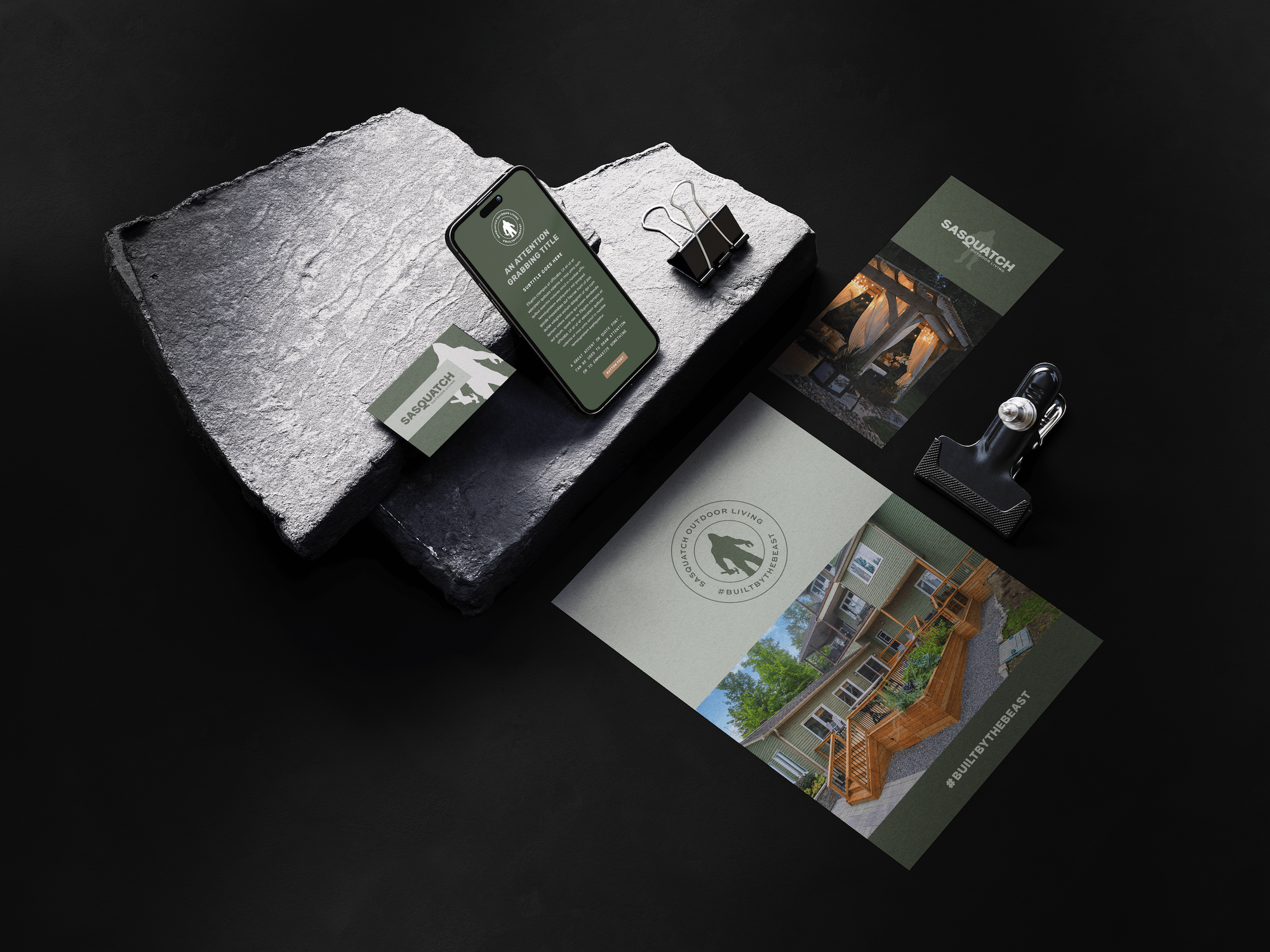
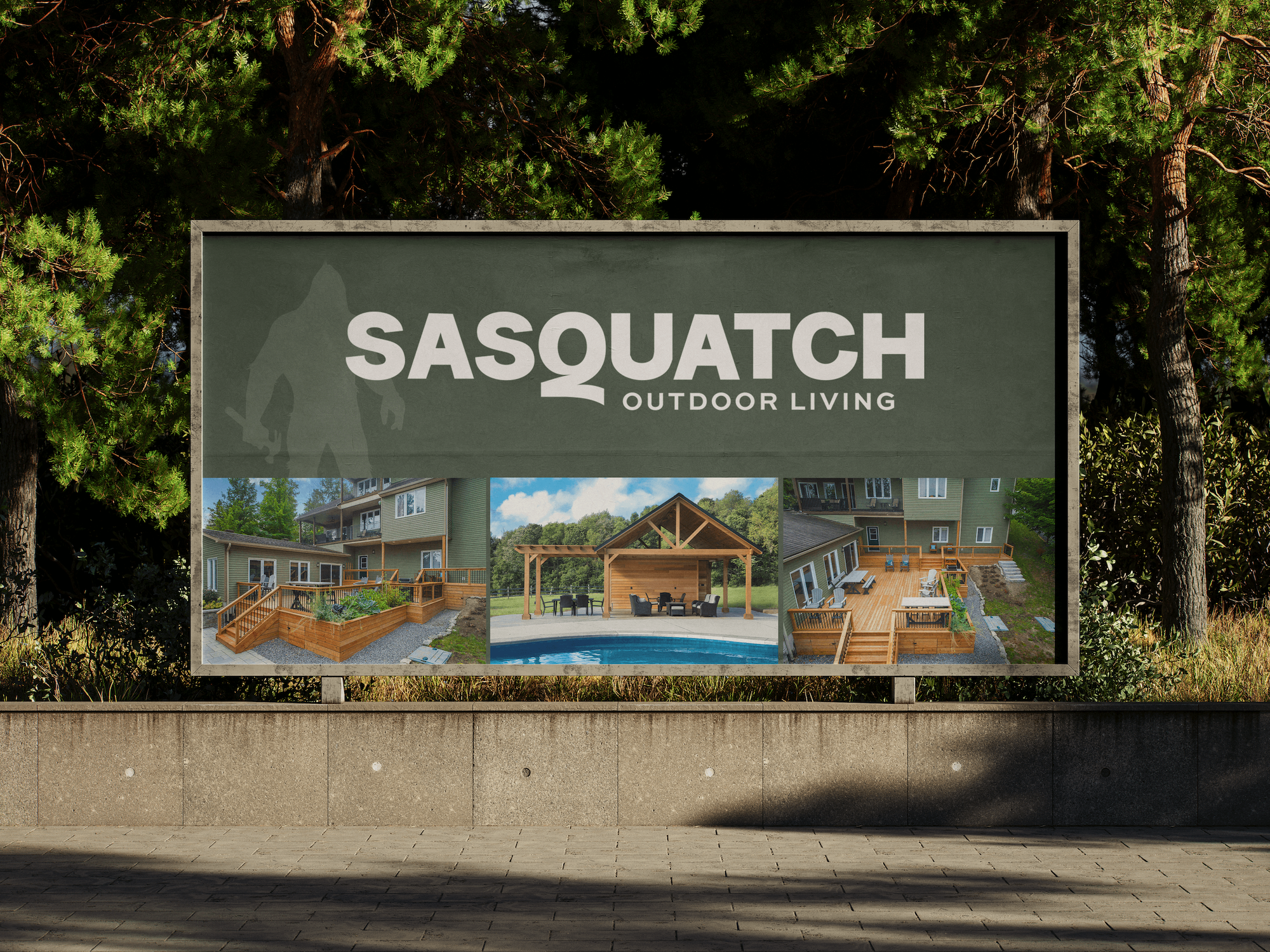
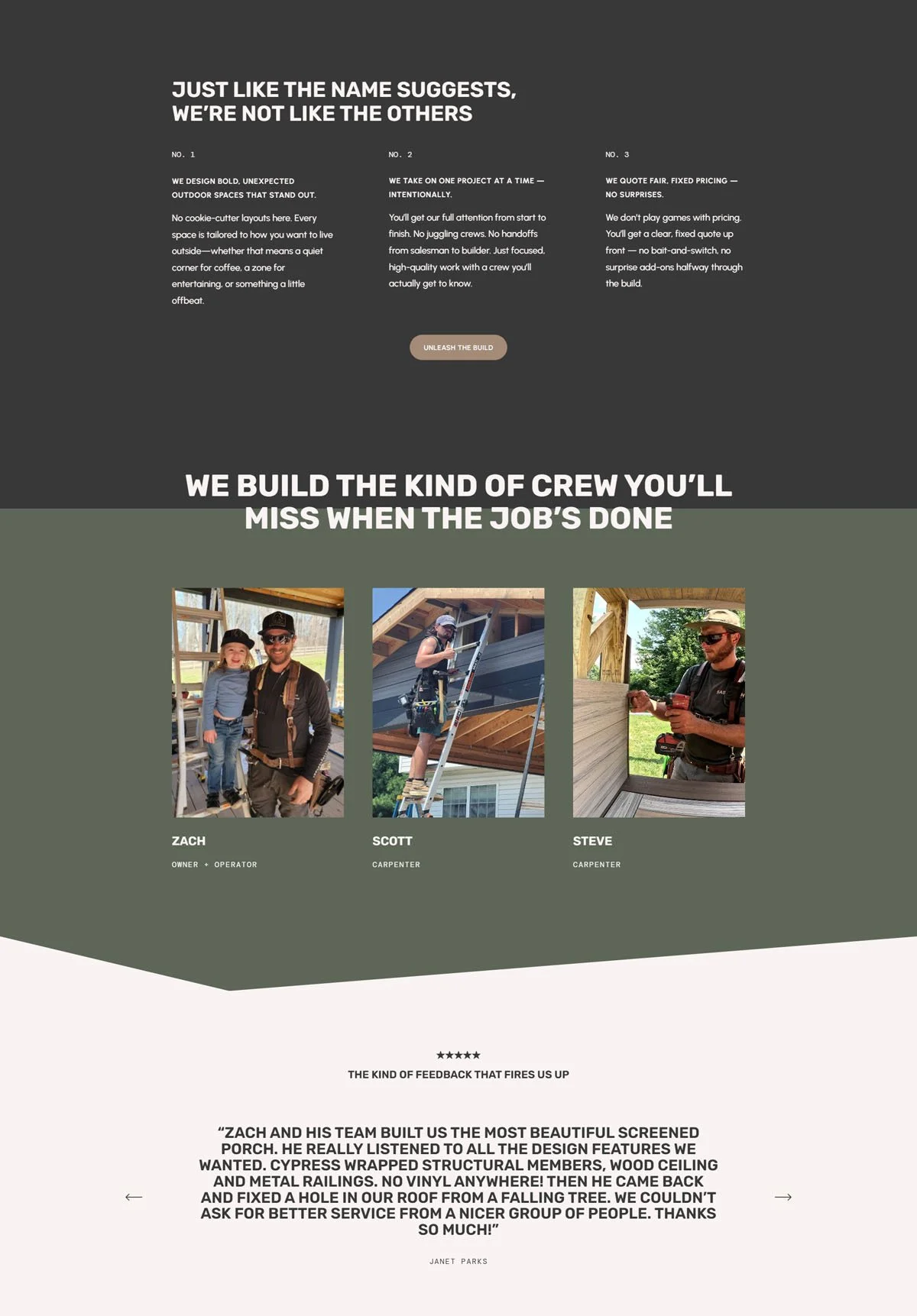
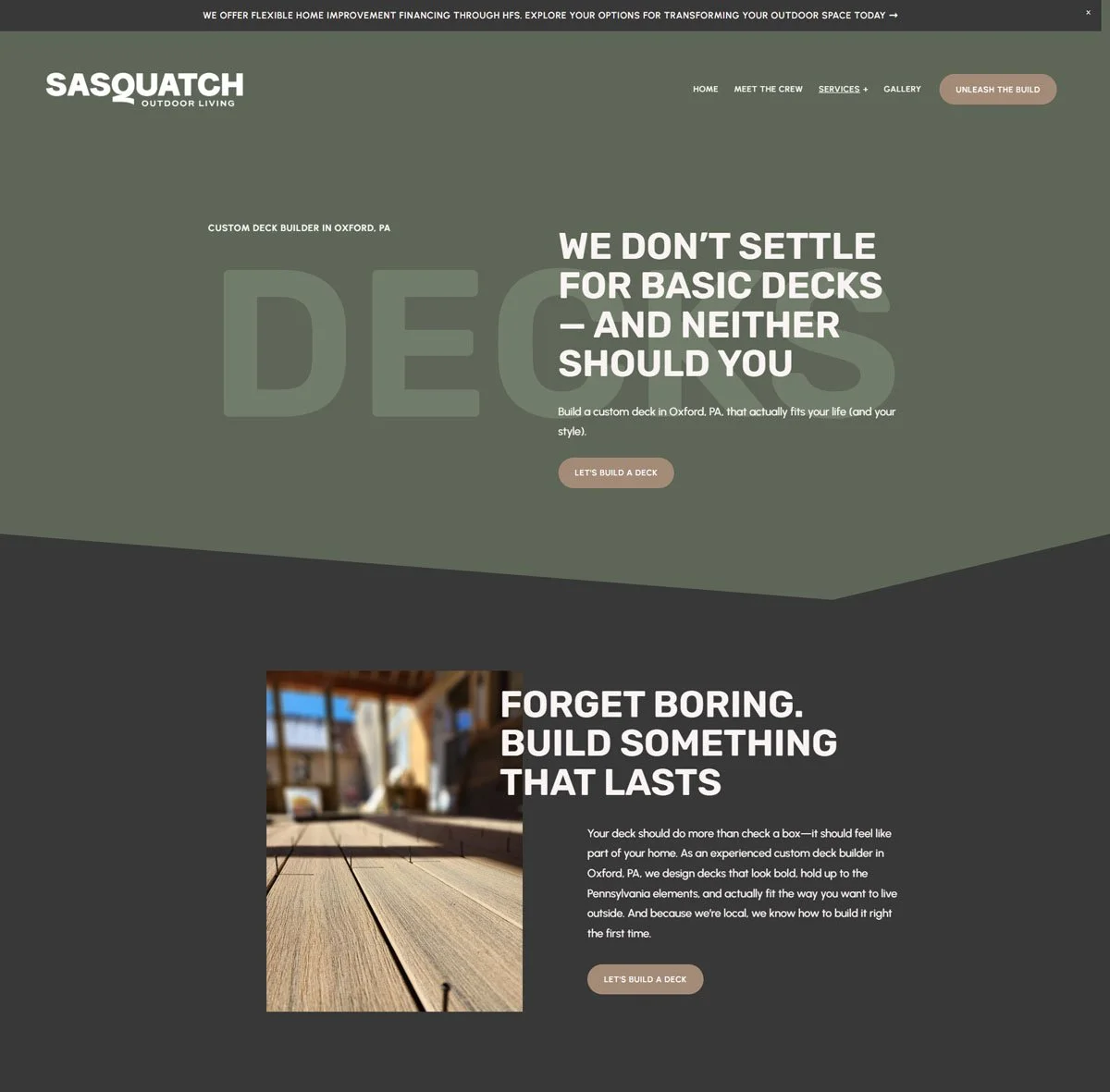
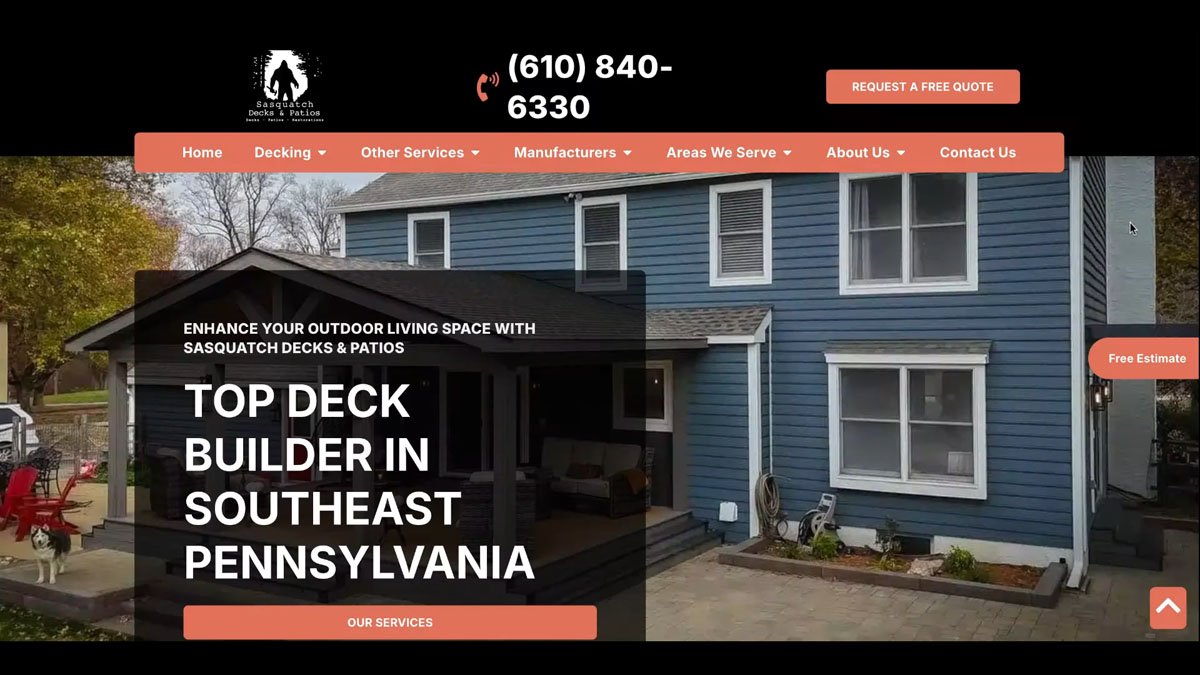
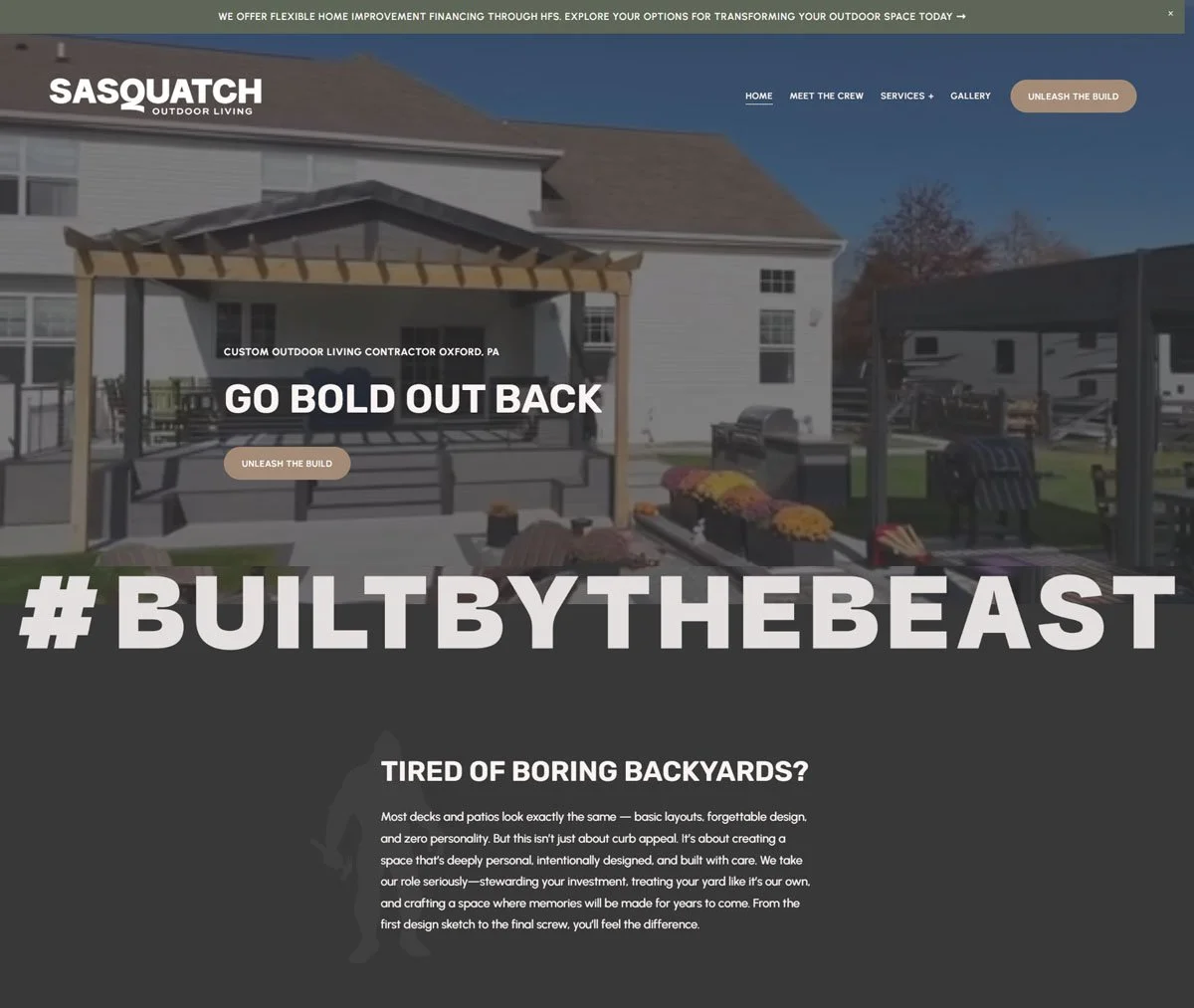
One of our favorite examples of strategic alignment is the rebrand and website redesign for Sasquatch Outdoor Living. Originally known as Sasquatch Decks & Patios, the company was attracting a wide variety of deck-related inquiries including repairs, lighting upgrades, and smaller projects the owner had no interest in pursuing.
During our strategy conversations, we zeroed in on attracting high-end outdoor living projects. To make that shift, we repositioned the company through branding, messaging, and website structure. We intentionally removed services that weren't aligned with the future direction of the business.
We knew traffic and lead volume might decrease, but what mattered more was improving lead quality. Six months after launch, the owner reported exactly that. The number of inquiries wasn't necessarily higher, but the quality of inquiries improved dramatically.
Prospects were referencing specific projects they saw on the website and reaching out with a much better understanding of the company's services. The website had become a validation tool that reinforced the brand and attracted more qualified opportunities. Perhaps most importantly, the site finally reflected where the company was headed, not where it had been.
"Traffic didn't go up. The quality of every inquiry did."
The Right Website Doesn't Attract Everyone
One of the biggest mindset shifts for builders and designers is realizing that a successful website won’t appeal to everyone, but it will appeal to the right people. A strong website design strategy creates alignment between your goals, your messaging, your portfolio, and your ideal client. When all of those pieces work together, your website stops acting like an online brochure and starts functioning like a business development tool. And that's when the right projects start finding you. At the end of the day, you don't need more projects. You need the right ones. Interested in working with us? Reach out today!
Need a custom home builder website that works as a strong source of lead generation? Let's talk!
I work with custom home builders and renovation companies to design strategic websites that are effective in turning website browsers into buyers. Let's chat about what a custom website can do for your business on a free 30-minute consultation today!