
In This Post
For custom home builders, your website contact page should feel like the final step in a much longer, thoughtful conversation. Long before someone fills out your inquiry form, they’ve already formed opinions about your work, your process, and whether they trust you enough to invite you into one of the biggest financial investments they’ll ever make.
If your website has done its job well, submitting the form feels like a natural next step instead of a leap of faith.What that means for you is that a high-converting website contact page can’t work in isolation. It has to feel like a direct extension of the inquiry experience that led someone there.
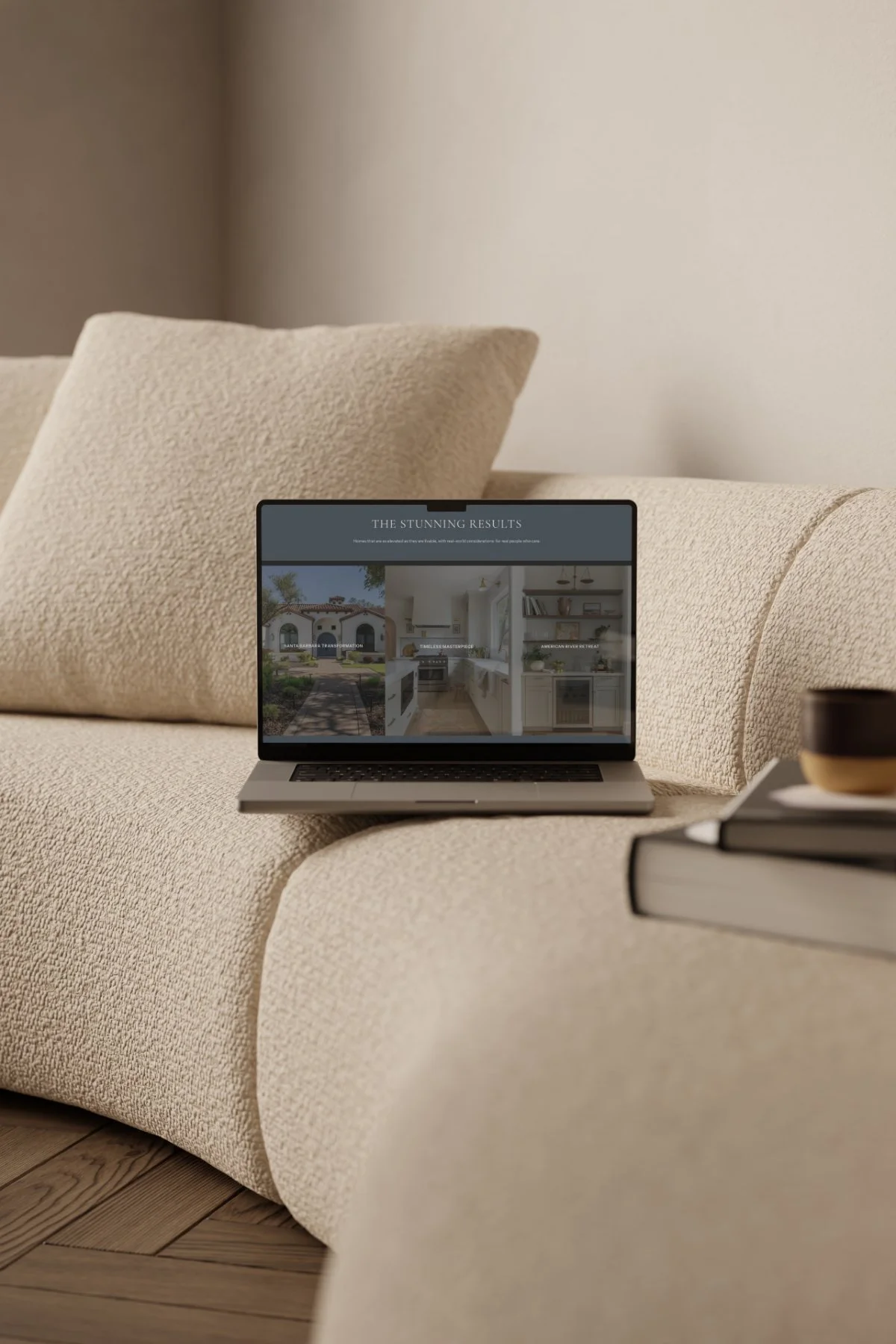
Build Trust (Before the Website Contact Page Form)
Every visitor arrives at your site with a mental checklist. They’re trying to determine whether you build the type of homes they're looking for, whether your quality matches their expectations, and whether your team feels like the right fit for a multi-year build.
Your portfolio is a window into your work. Your About page introduces the people behind the company. Your process page gives visitors confidence by showing them exactly what working with your team looks like. When each of those pages works together, the contact page becomes a confirmation instead of a sales pitch. Too often, builders put pressure on the contact page to convert when the rest of the website hasn’t earned the inquiry yet.
Filtering Before the Inquiry
One of the biggest misconceptions about lead generation is that the contact form should do all the qualifying. It shouldn't. Your website should already be helping the right people move forward while encouraging the wrong-fit prospects to self-select out.
One of the most effective ways to do that is through project curation. The projects you choose to showcase signal the type of work you want to attract. If your portfolio reflects the projects you're most proud of and the clients you enjoy serving, your ideal audience will recognize themselves in that work.
Beyond your portfolio, your website should clearly communicate your service area, project minimums, timeline expectations, and process. Luxury clients appreciate transparency. Giving them this information upfront respects their time while positioning your business as organized and intentional.

Free Guide: The 10 Things Every Home Builder Website Needs
Download the free guide and apply simple website strategies to land more projects and become the go-to builder in your area this year!
The Decisions Visitors Make Before Reaching Out
Before someone reaches out, they’re quietly deciding whether they trust you, whether you understand the type of project they have, and whether they’re in the right investment range.Those decisions happen quickly and often subconsciously.
Each page on your website should help answer one or more of those questions. Professional photography, thoughtful project stories, client testimonials, and a clearly explained process all work together to build confidence before anyone clicks your call to action. When visitors arrive at your website contact page, they shouldn't still be wondering whether you're the right fit. They should simply be ready to start the conversation.
For more information on how to prequalify clients before they reach out, check out this blog!
The Right Website Contact Page
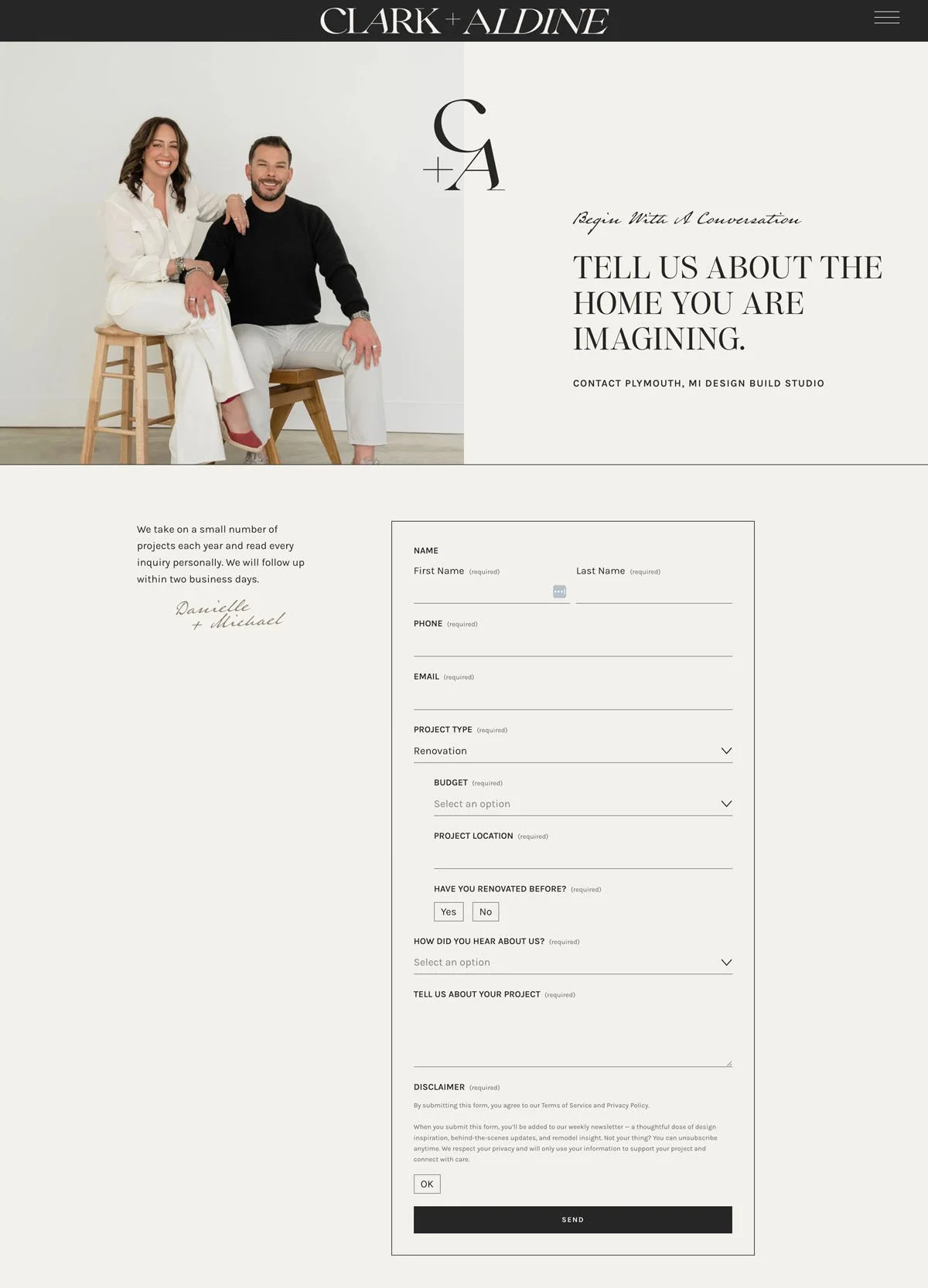
An inquiry form doesn't need to collect every possible detail. Its purpose is to gather enough information for an informed first conversation while making the experience feel simple and approachable. Basic contact information is enough to get started.
From there, include questions that genuinely help you prepare for the project. Project type is an important one. The options you provide communicate the services you actually want to offer. Budget is another valuable field. Offering investment ranges often works better than requiring visitors to type a number themselves. It quietly establishes expectations while helping both sides determine whether the project is aligned.
Location and "How did you hear about us?" provide useful context. A few additional questions, such as whether they already have land or an architect, can help you better understand where they are in the process. What it really comes down to is gathering enough information to prepare well without making the prospect feel like they’re applying for permission to speak with you.
Don't Skip the Thank You Page
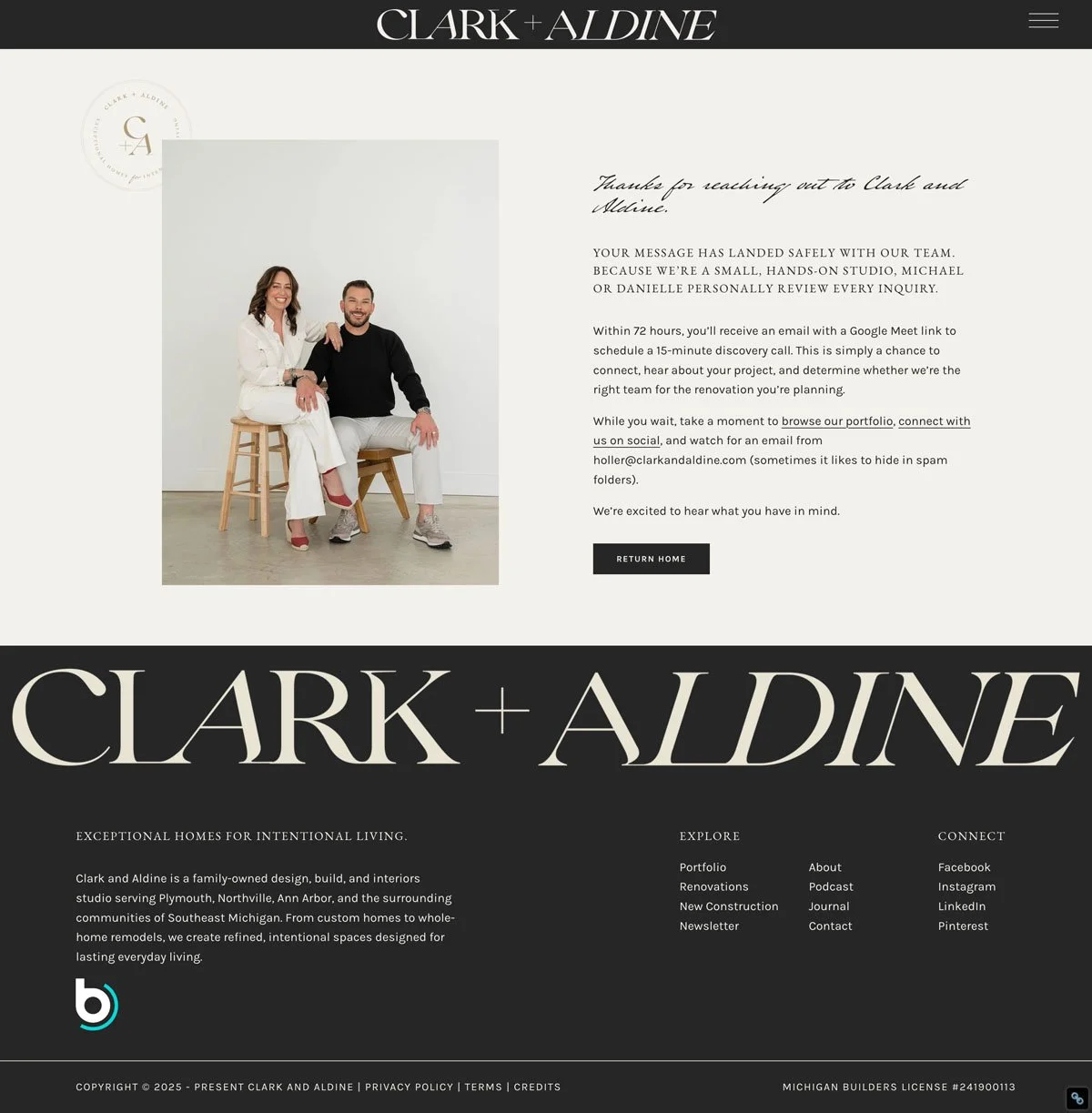
The inquiry experience doesn't end when someone clicks submit. In many ways, it's just beginning. A custom confirmation page reassures visitors that you received their inquiry and tells them exactly what happens next. Let them know who will be contacting them, when they can expect to hear from your team, and what the first conversation will look like.
Including a photo of the person they'll hear from next helps make the interaction feel more personal. You can also use this page to encourage visitors to continue exploring your work while they wait. Direct them to your portfolio, invite them to follow you on social media, or share additional resources that reinforce the confidence they've already built. These small details create a polished experience that reflects the level of service clients can expect throughout the project.
How You Know Your Website Contact Page Is Working
Improving your inquiry experience isn't simply about generating more leads; it's about attracting better ones. As your website becomes more intentional, you'll often notice an increase in qualified inquiries, fewer conversations with prospects who aren't a good fit, and a smoother sales process overall. You may also see visitors spending more time on your portfolio and service pages before reaching out. That's a strong indicator your website is building trust before the first conversation ever takes place.
At the end of the day, your website contact page is where trust pays off, not where it begins. When every page leading up to it has been designed with intention, the right clients arrive ready to move forward because your website has already done the work of earning their confidence. If your website is attracting the wrong inquiries or making the right clients work too hard to take the next step, it may be time to rethink the experience. Schedule a discovery call.
Need a custom home builder website that works as a strong source of lead generation? Let's talk!
I work with custom home builders and renovation companies to design strategic websites that are effective in turning website browsers into buyers. Let's chat about what a custom website can do for your business on a free 30-minute consultation today!