Table of Contents
There’s a common thread in custom home builder websites we see all the time. A builder is doing incredible work, growing their business, and building a reputation in their market, but their website doesn't reflect any of it.
Usually, it's not because they haven't invested in their online presence. It's because they've been so busy growing their business that their branding, messaging, and website have been pieced together along the way. Maybe they hired someone to design a logo a few years ago, added service pages as the company expanded, and updated their portfolio whenever they had new photography. Each decision made sense at the time, but the result doesn't necessarily reflect the business they've become.
It’s a lot like a potential client renovating a house by contracting all the parts out separately. Technically, they do have a renovation, but it’s not coming to gether into a cohesive home.
Your custom home builder website should communicate who you serve, the projects you want to attract, what makes your company different, and where you're headed next. That’s what turns a website from a place to display beautiful homes into a strategic sales tool.
Your Website Strategy Starts With Your Business Goals
Before we start designing a website, we spend time understanding the business behind it. We want to know who you serve today, who you want to serve in the future, what kinds of projects you're most excited about, and what you're working toward as a company. Those answers influence almost every decision we make.
For example, a builder who wants to move from $1 million custom homes into the $3–5 million market needs more than a visual refresh. That shift means reaching a different audience with potentially different priorities, lifestyles, expectations, and reasons for choosing a builder. We need to understand those differences before deciding how to position the company online.
That might mean featuring larger, more architecturally distinctive projects in the portfolio. It could mean spending more time explaining the building experience, emphasizing the builder's approach to communication and project management, or adjusting the inquiry form to better qualify prospective clients.
Branding also plays a major role. A company positioning itself around attainable luxury will likely need a different visual identity and website experience than one pursuing an exclusive luxury market.
The messaging has to support that direction, too. Generic language about quality craftsmanship and attention to detail won't communicate what makes your company the right choice for a specific type of client. What it really comes down to is making sure every part of the website supports the business you're trying to build, not just the one you've operated in the past.
Attract the Right Clients and Filter Out the Wrong Ones
One of the biggest misconceptions about website performance is that more leads automatically mean better results. For custom home builders, that's rarely the full picture. A builder with a limited number of projects each year doesn't necessarily need hundreds of inquiries. They need the right homeowners reaching out about the right projects.
That's where website strategy becomes especially valuable. Your portfolio is one of the first places this filtering happens. When you feature the projects that reflect the work you want more of, prospective clients begin to understand your capabilities, style, and typical scope.
Your service pages and navigation reinforce that positioning. If you've stopped offering smaller renovations because your company is focused on ground-up custom homes, continuing to promote those renovation services can attract inquiries that no longer fit your goals.
Your messaging and branding help establish expectations before anyone fills out a form. Then your inquiry process can take that a step further with intentional questions about project type, location, investment range, and timeline.All of this helps homeowners understand whether your company is the right fit before either of you invests time in a consultation.
How Tankersley Build Co. Aligned Its Website With Its Next Chapter
When Tankersley Build Co. first reached out, they knew what they wanted their website to accomplish. They wanted luxury clients to recognize why their company was the right choice, while homeowners who weren't aligned with their services would quickly understand that they weren't the best fit. The opportunity was to communicate what made Tankersley's process different from other builders and remodelers in their market.
We encouraged the team to consider a rebrand, which initially felt like a big step. But after ten years in business, their existing brand no longer fully reflected what they'd built or where they wanted to go. Through the branding process, we developed a visual identity that better represented their position in the market. We also worked through their messaging to draw out the differences in their approach and make those distinctions clear throughout the website.
Their process and FAQ pages became opportunities to build trust and set expectations. We also developed portfolio case studies that went beyond finished photography to show prospective clients what working with Tankersley actually looks like. They ended up with a website designed to communicate the value of their experience, not just the beauty of their projects. That's the difference between updating a website and aligning it with a business strategy.
"Before working with Katlyn Slocum Design, I felt our website had good content, but it lacked focus and sophistication—and honestly, it reflected who we were five years ago, not the company we’d grown into. While I had concerns that a remote team could truly capture our vision and voice, Katlyn made the entire process seamless. Now, our new website and brand are positioned to attract more of the clientele we want (and less of what we don’t), while giving our employees and trade partners something they’re proud to share. I’m excited to leverage this elevated brand to pursue more complex, significant project opportunities going forward."
— Steve Tankersley, Owner
Sometimes Growth Means Attracting Fewer Leads
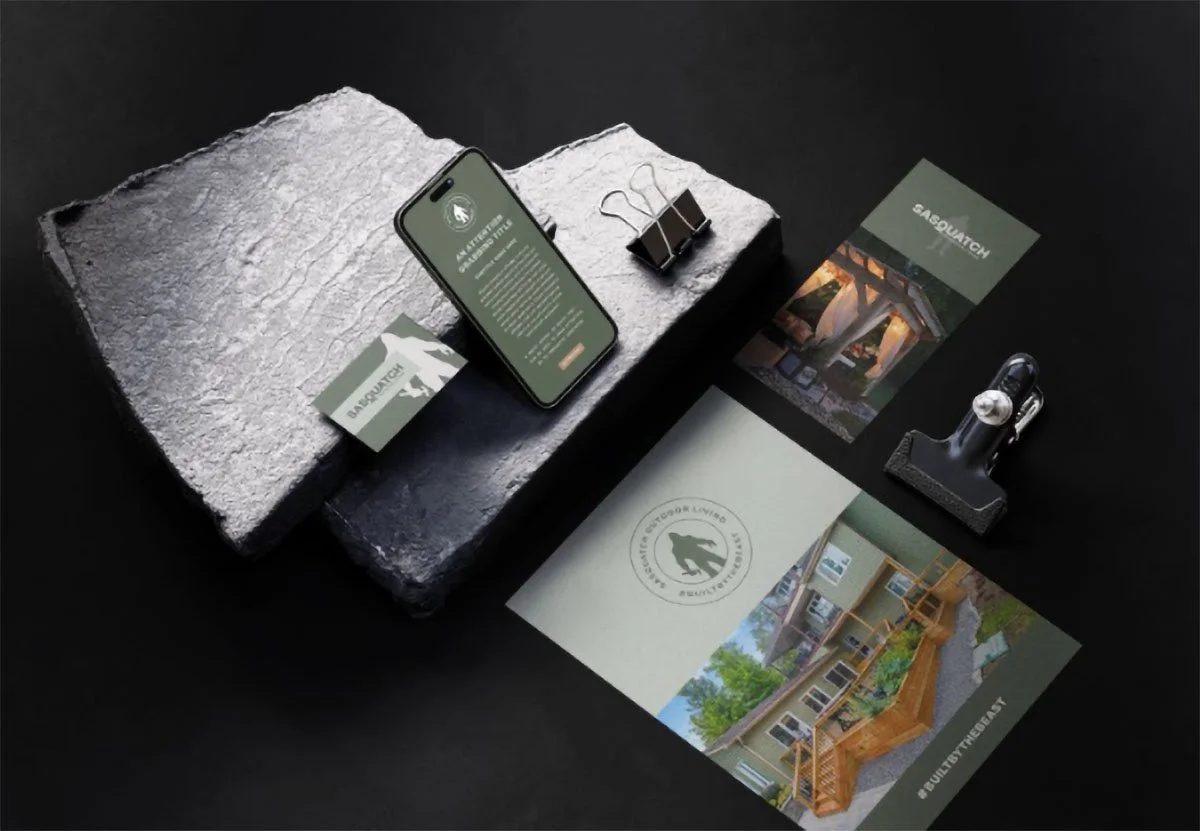
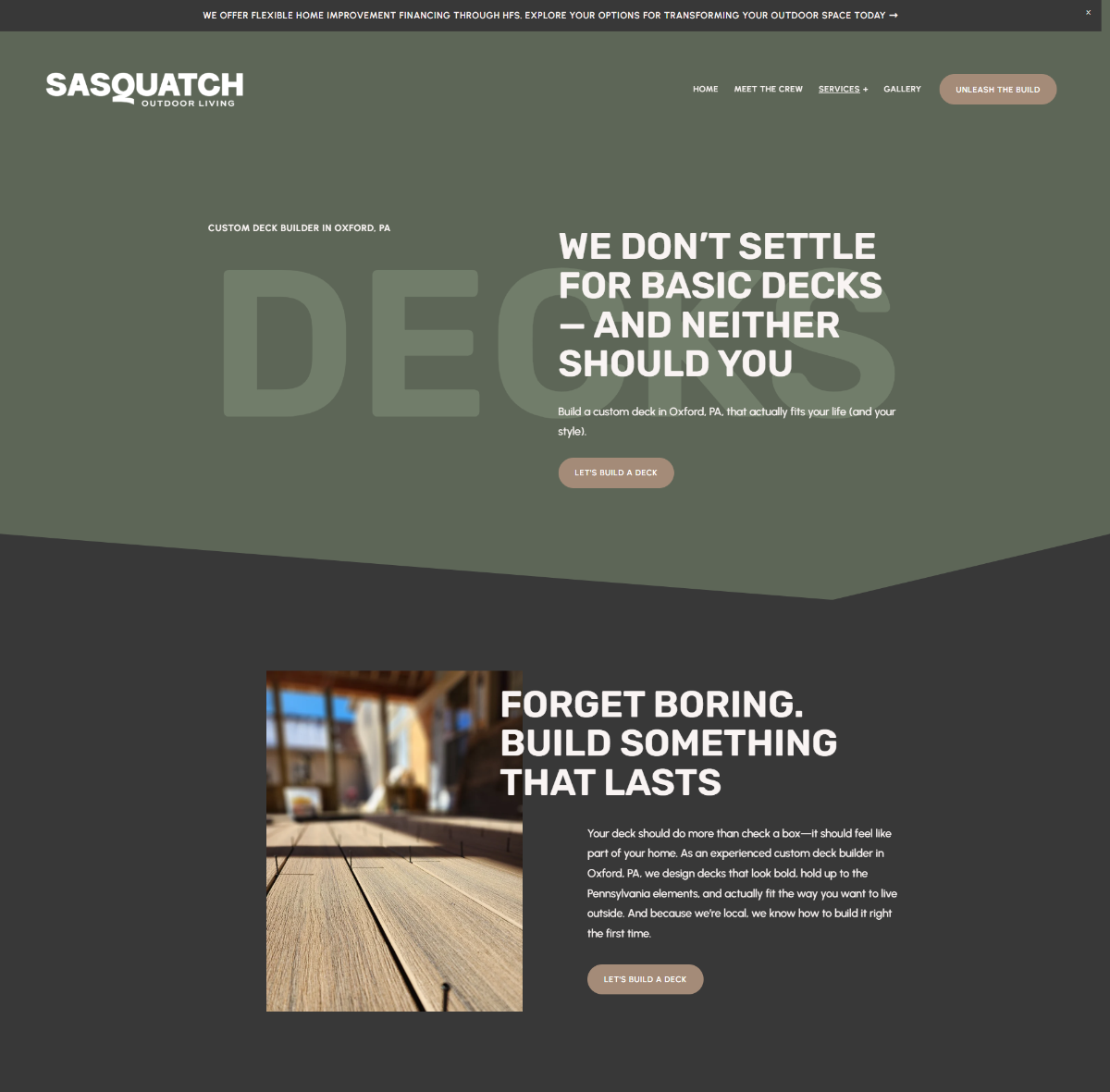
Another example comes from our work with Sasquatch Outdoor Living, an outdoor living company in Pennsylvania. When owner Zach came to us, his business was attracting plenty of leads, but many weren't for the projects he wanted to pursue.
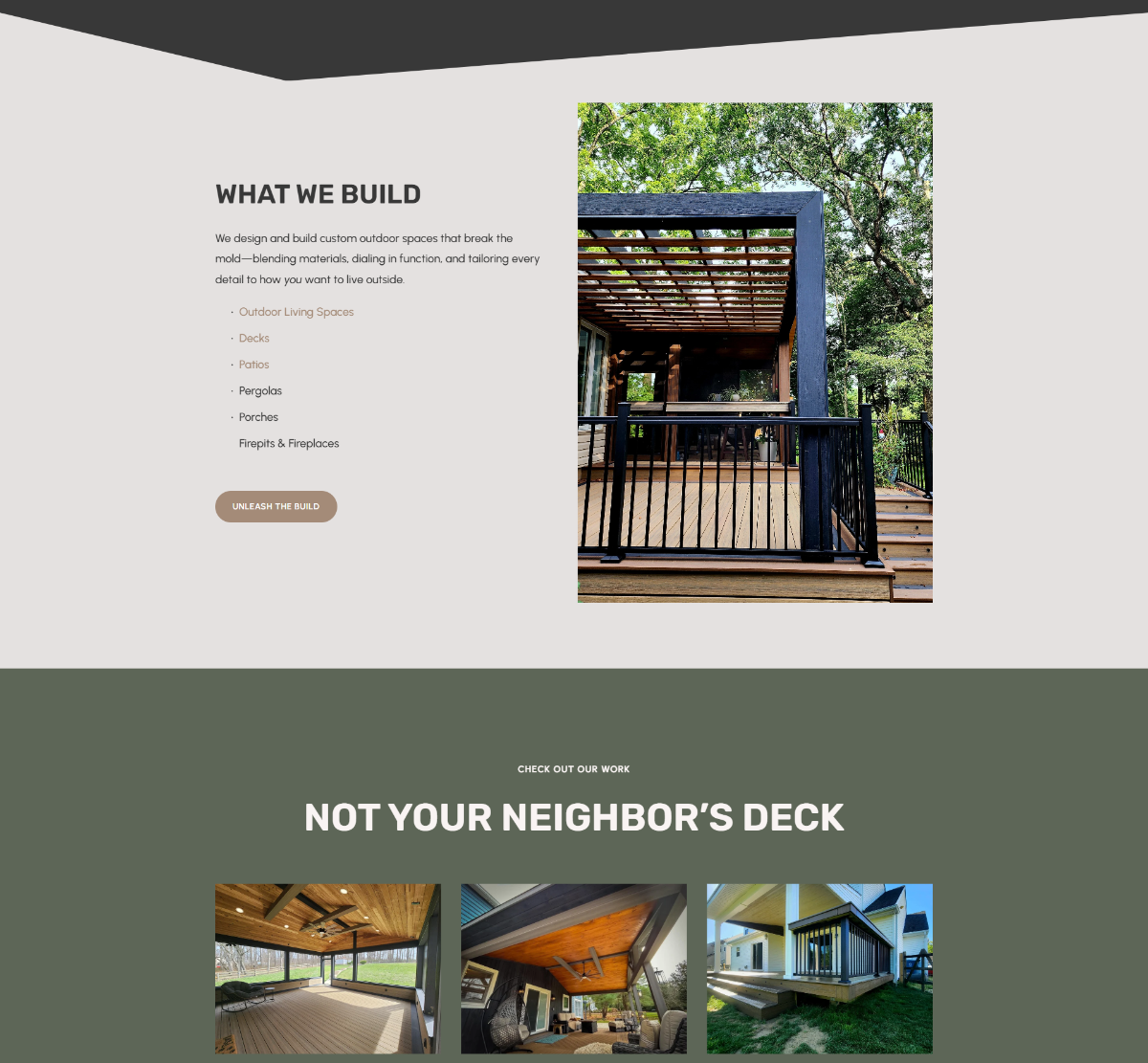
His existing website had been structured by an SEO company to generate inquiries for services like deck repairs, deck lighting, and new decks. That approach was bringing attention to the business, but Zach wanted to move toward larger, full-scale outdoor living projects that included outdoor kitchens, patios, hardscaping, landscaping, and complete backyard transformations.
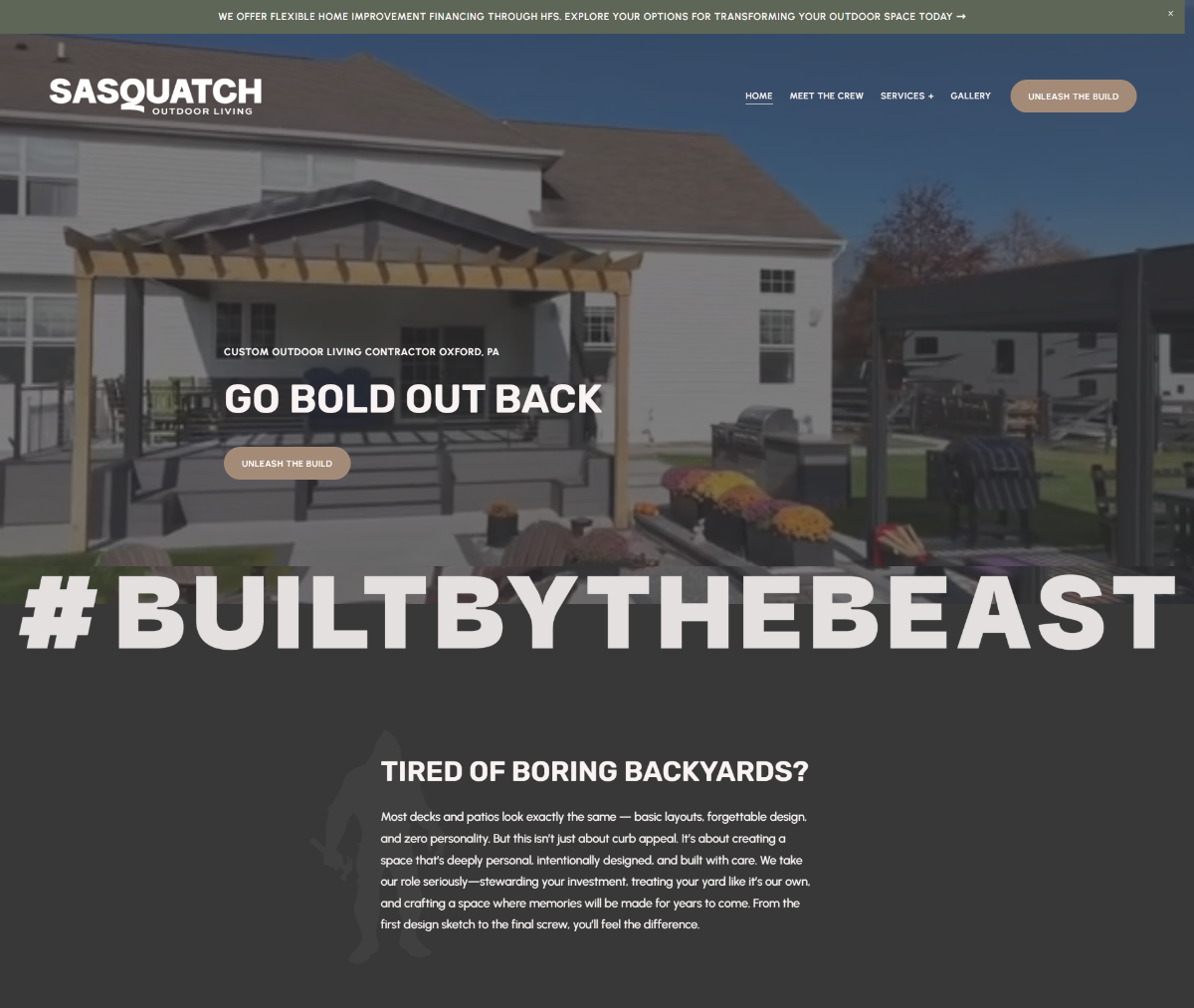
He didn't necessarily want more leads. He wanted better-aligned opportunities. We worked through the SEO implications of removing service pages that no longer supported his business goals. We restructured the site around the projects he wanted to attract, developed new messaging, and created a new brand identity. Even the company name shifted from Sasquatch Decks and Patios to Sasquatch Outdoor Living.
Six months after launch, Zach shared that the biggest change was lead quality. While inquiry volume hadn't necessarily increased, the homeowners reaching out were much more aligned with the company's services. He was spending less time chasing unqualified opportunities and more time pursuing projects he actually wanted.
He also noticed that clients frequently referenced work they'd seen on the website. Even when they discovered the company through social media, they often visited the website before reaching out, using it to confirm that Sasquatch was the right fit. That spring was also his busiest yet for booking work. While he couldn't attribute exact conversion or profit numbers directly to the website, he felt the stronger brand presentation had contributed to the company's momentum.
Just like for Sasquatch, a successful website doesn't always mean increasing the number of inquiries. Sometimes success looks like fewer conversations with the wrong prospects and more opportunities to build the projects your company wants to be known for.
Learn more about getting better (not just more) leads here.
A Beautiful Website Can Still Be Sending the Wrong Message
One of the first things we look at when reviewing a builder's website is whether the site reflects their current business goals. A clean design, professional photography, and a working contact form are a good start. But those elements don't automatically mean the website is doing its job. We often find gaps in three areas: services, branding, and messaging.
Service pages might still promote work the builder has moved away from. The portfolio might emphasize older projects instead of the higher-end homes they're now building. Or the brand might communicate a more approachable, general-market experience when the company is trying to establish itself in a more exclusive luxury market.
Messaging can create the same disconnect. If the website speaks broadly to every homeowner in every budget range, it's difficult for your ideal client to recognize that your company was built for someone like them.
Geographic focus matters, too. If you're expanding into a new service area or concentrating on specific communities, your website should support that direction through its content, service area information, and search strategy.
These details influence how people perceive your business and whether they choose to reach out. A website can be visually impressive and still work against your goals if it isn't aligned with where your company is headed.
Build the Strategy Before You Build the Website
Builders understand the importance of starting with a plan. You wouldn't begin constructing a custom home without architectural drawings, selections, permits, and a clear understanding of what you're building. Your website deserves that same level of intention.
Before making changes to your design, copy, or portfolio, get clear on two things: the clients and projects you want to attract, and the larger goals you're working toward as a business. Those decisions should guide everything that follows, from where you invest your marketing dollars to how you position your brand and structure your website.
That's also what separates website design from website strategy. A designer can create something beautiful. A strategist connects those design decisions to the results your business needs.
At the end of the day, your custom home builder website should reflect the company you've worked hard to build and the direction you're taking it next. It should help prospective clients understand your value, recognize what makes you different, and feel confident that they're in the right place.
Your website should be helping you build the business you want, not holding you to the one you've outgrown. Schedule a Discovery Call to create a website strategy that supports where you're headed next.