In this post
When custom home builders start comparing website proposals, they usually look at the deliverables first. They're comparing the number of pages, features, integrations, and the overall design. And while those things matter, they don't tell you much about what you're actually investing in.
A strategic website is a sales tool that should be working for your business around the clock, helping prospective clients find you, understand your process, build trust in your team, and ultimately feel confident reaching out. That's where the real value of a website investment comes in.
The difference between a website that looks great and one that consistently brings in qualified leads usually comes down to the work happening behind the scenes. Strategy, research, messaging, development, SEO, and testing all play a role in how well your website performs. That's why understanding custom home builder website cost means looking beyond the finished design. The real value comes from the strategy and decisions behind it.
Our Pre-construction Process
We approach website projects a lot like custom home builders approach a new build. Before anything gets designed, we need a clear understanding of what we're building, who it's for, and what it needs to accomplish.
The Onboarding Questionnaire
Our “preconstruction process” starts with an onboarding questionnaire that helps us understand your business, the clients you serve, the work you want to attract, and what makes your company different. From there, we begin researching and identifying the opportunities your website needs to address.
Next comes messaging. We connect our clients with StoryBrand copywriters for 2-3 messaging strategy calls that dig deeper into the business. This is where we get clear on how to communicate your value, build trust with your ideal clients, and make sure your website sounds like the company behind it.
Branding comes next. Sometimes that means a complete rebrand, while other times it's refining what already exists. We make sure your visual identity reflects the caliber of your work and the clients you're trying to reach. All of this happens before we start designing the actual website. And it's some of the most important work we do because it creates the foundation for every decision that follows.
One of the biggest misconceptions about website design is that the process starts with choosing layouts, colors, and fonts. Much like choosing finishes and paint colors in a custom home, those decisions matter, but they aren’t the foundation.
Hotjar
For our custom website clients, we complete a full strategy deep dive. We install Hotjar on the existing website to see how visitors are actually interacting with it. We look at how people move through the site, where they hesitate, and where the experience might be making it harder for them to take the next step.
Strategy Research
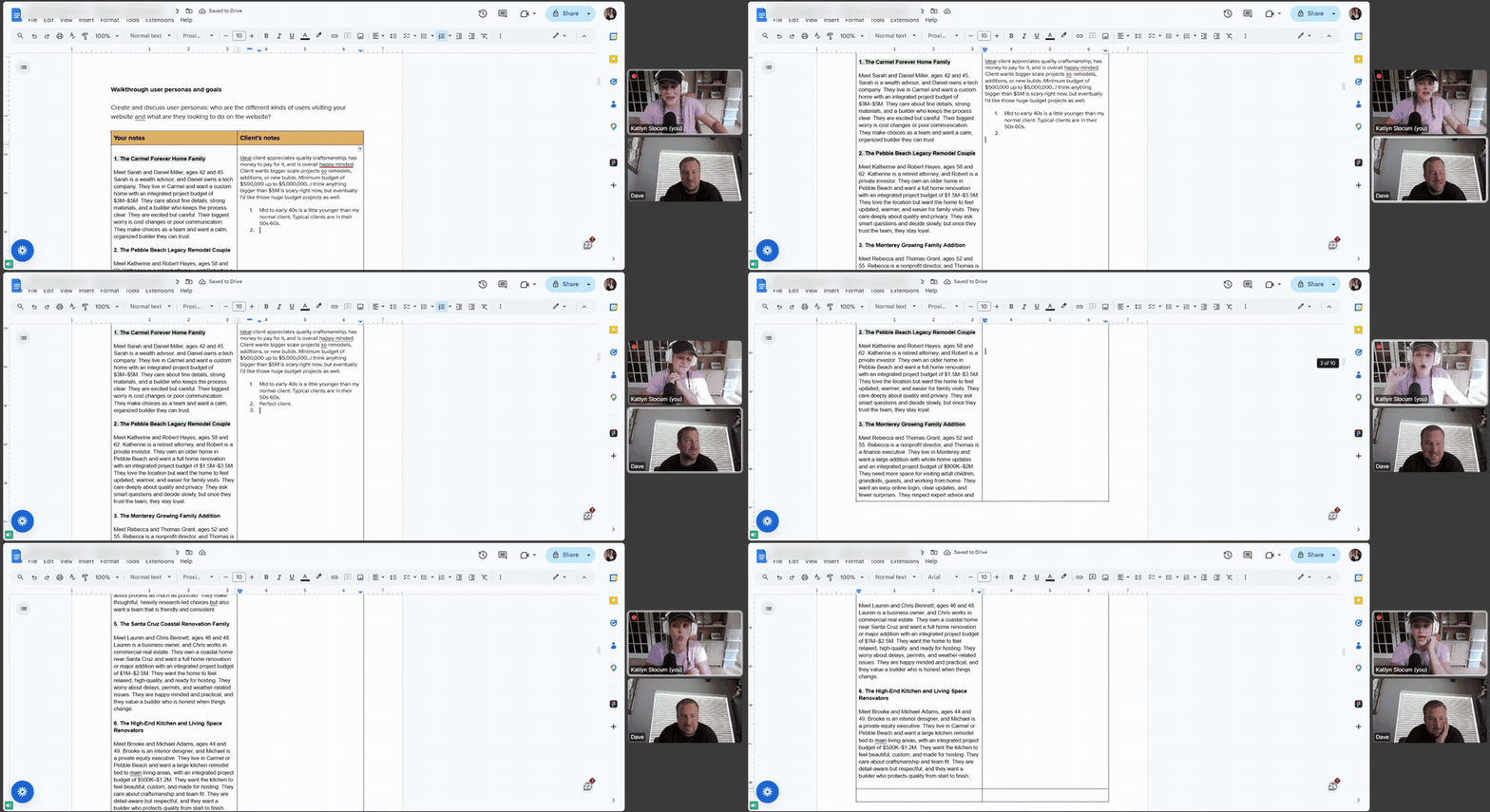
We also do a deep dive into your business and put together a detailed strategy document that we walk through together during a 90-minute call. This is a collaborative process. We bring the research and strategy, but your experience and goals are just as important in shaping the direction of the website. This is where we make decisions about the structure of the website, the pages it needs, the information visitors should see, and how everything works together to guide someone toward an inquiry.
Every page should have a purpose. For example, if you're a custom home builder who used to offer renovations but no longer wants that type of work, keeping renovation service pages on your website sends the wrong message by encouraging inquiries for projects you don't want to take on.
The same goes for your FAQs and contact form. Clear information about service areas, typical investment ranges, and your process helps prospective clients understand whether they're a good fit before they reach out. A detailed inquiry form can take that filtering even further. These decisions might seem small individually, but together they determine whether your website attracts the right people and helps move them toward becoming clients.
Beautiful Photography Isn't Enough to Build Trust
Custom home builders have an advantage when it comes to website design. The work itself is beautiful, and professional project photography gives us incredible material to work with. But photos alone aren't enough. We see plenty of builder websites that are essentially one big portfolio. They showcase stunning finished homes without giving visitors much information about the people, process, or experience behind them.
The challenge is that choosing a custom home builder isn't like purchasing a product online. Your clients are making a multimillion-dollar decision and entering a relationship that could last a year or longer. They need to trust more than your ability to deliver a beautiful finished home.
They want to understand how you communicate, how your process works, what makes your company different, and what they can expect when challenges come up during construction. Your website needs to help them picture that experience. That's why strategic copywriting, intentional page structure, and clear explanations matter so much.
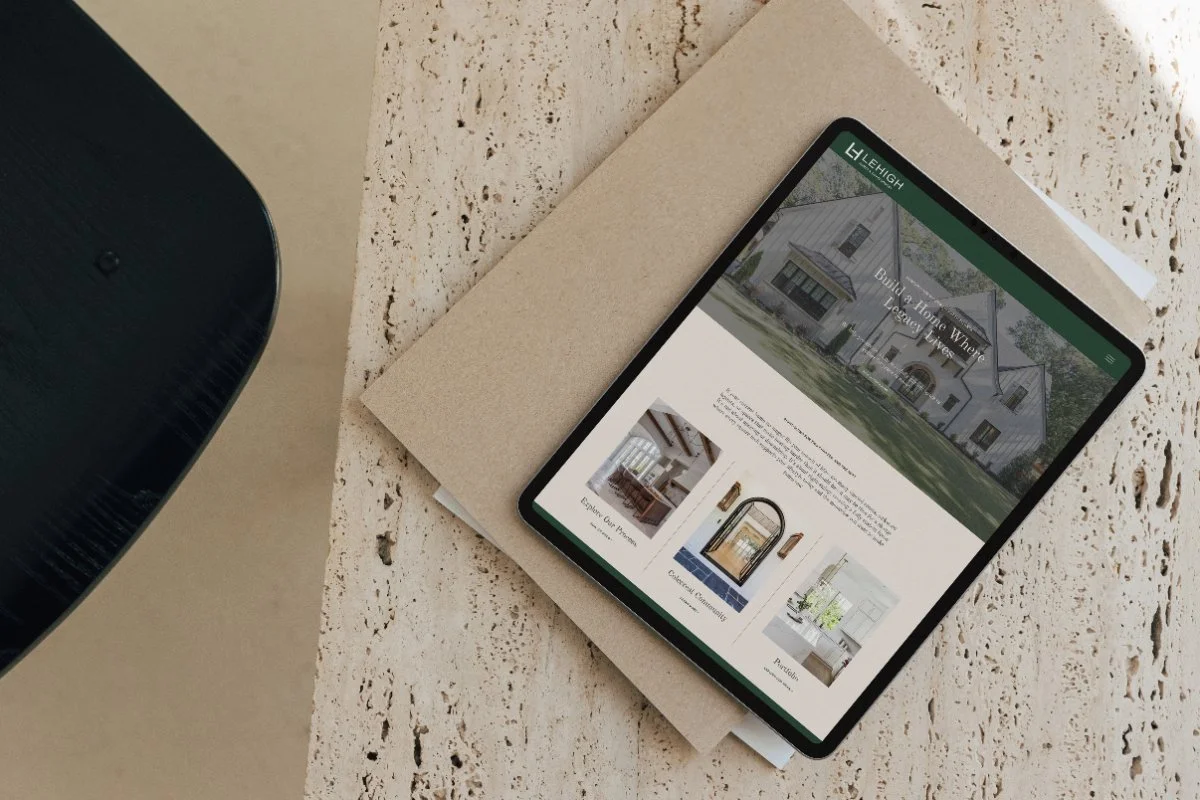
SEO Should Support Your Business Goals
Another important part of your website investment is making sure the right people can actually find it. SEO is often treated like a separate checklist of keywords, backlinks, and content updates. But for custom home builders, an effective SEO strategy needs to start with the business itself.
The right traffic beats more traffic every time. A builder who wants to move away from smaller renovation projects and focus on high-end custom homes doesn't benefit from attracting thousands of visitors looking for kitchen remodels. Those visitors might make the analytics look impressive, but they're not helping the business grow in the right direction. That's why SEO needs to work alongside your website strategy, not independently from it.
Here's something a lot of builders don't realize. Web design, development, and SEO are three different skill sets, and hiring someone who does one doesn't automatically mean they're experienced in the others. A designer may create a beautiful website without understanding the technical and strategic requirements that support search visibility. Our studio brings SEO considerations into the website process from the beginning so the site has a stronger foundation for future marketing efforts.
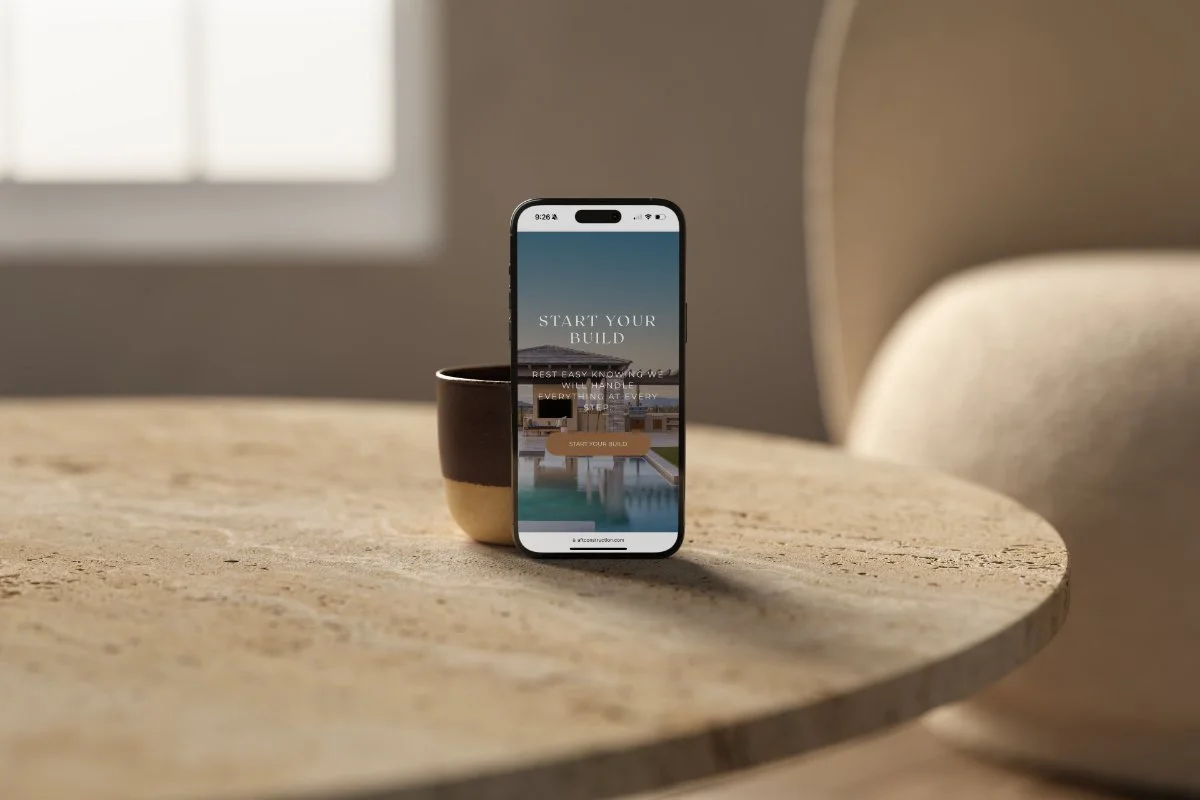
We've seen the value of this approach with clients like Brad Leavitt of AFT Construction. During a podcast conversation, Brad shared that the SEO firm out of LA he was working with reviewed the website we’d created together and didn't need to make changes to its SEO foundation. That's not something you can expect from every web designer, and it's why we incorporate SEO into our process from the beginning.
The Details That Matter During Testing and Launch
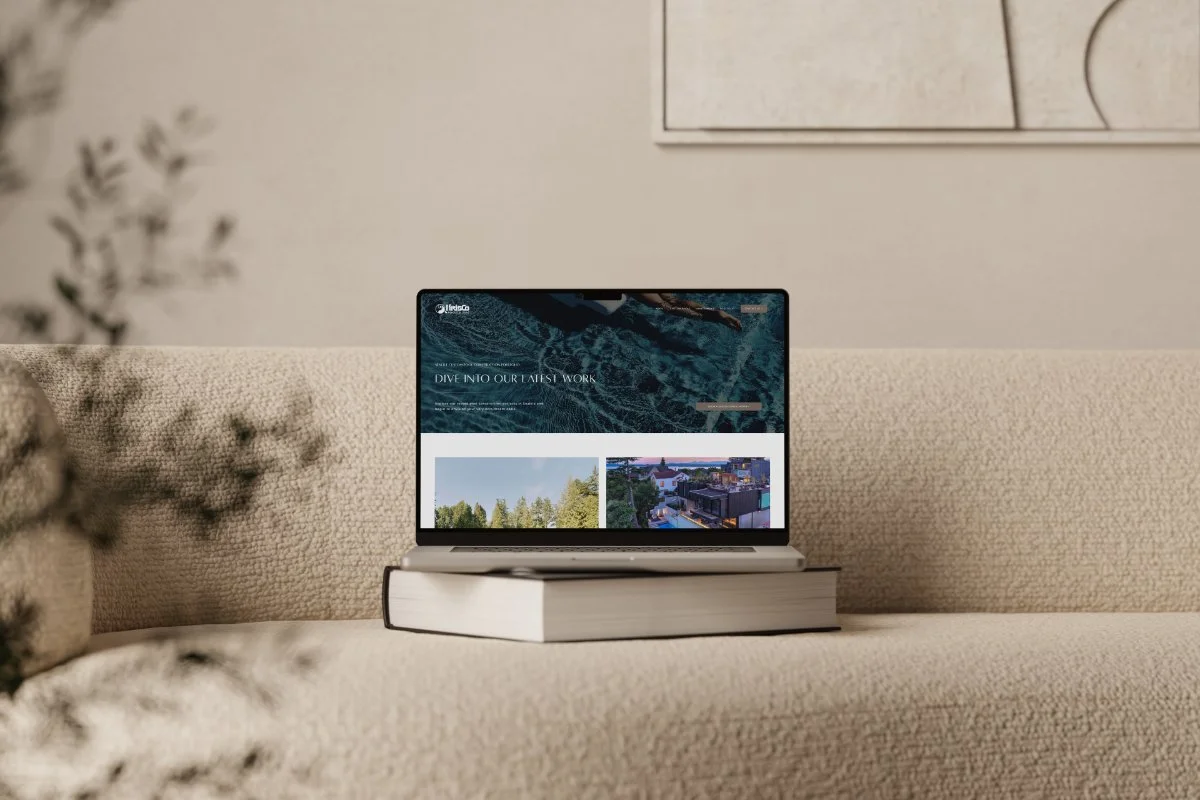
By the time a website is ready to launch, most of the visible work is complete. The pages are designed, the copy is written, and the photography is in place. But there's still an important part of the process that needs to happen before anyone starts sending prospective clients to the site. We test everything.
That means checking every link, making sure downloads work, reviewing the experience across devices, and confirming that every inquiry form actually sends submissions to the correct email address. It sounds basic, but you'd be surprised how often these details get overlooked.
We've worked with builders who told us they never received inquiries through their websites, only to discover that their contact forms weren't connected to their email. Some had been sitting that way for months or even years. A simple technical oversight like that could mean missed opportunities and significant lost revenue, all because nobody tested the form before launch.
Testing also means making sure the technical foundation supports the website's long-term goals. We want the site to function properly for visitors while giving future SEO and marketing efforts a strong starting point. The last thing a builder needs is to invest in a new website and then pay someone else to redo work that should've been handled during development.
If you’re ready to budget for your custom website, this blog can help!
Your Website Should Be Working While You're Building Homes
At the end of the day, anyone can design and hand over a list of deliverables. What you're investing in is industry experience, strategic direction, and a site that does so much more than show pretty pictures.
For many of our clients, booking just one additional custom home project through their website can represent a return worth many times their initial website investment. That's the opportunity we're building toward: a website that does more than showcase a beautiful portfolio and actually supports business growth.
Your website should be working for you while you're on a jobsite, meeting with clients, spending time with your family, or even sleeping. It should be introducing your company to the right people, answering their questions, building trust, and helping them decide whether you're the builder they want to work with.
And before you invest thousands of dollars in SEO, advertising, or other marketing efforts to bring more visitors to your website, you need to make sure the site is ready to convert them. Your website should be one of your strongest sales tools, not simply a place to display your work. Let's make sure it's working as hard for your business as you are.