Table of Contents
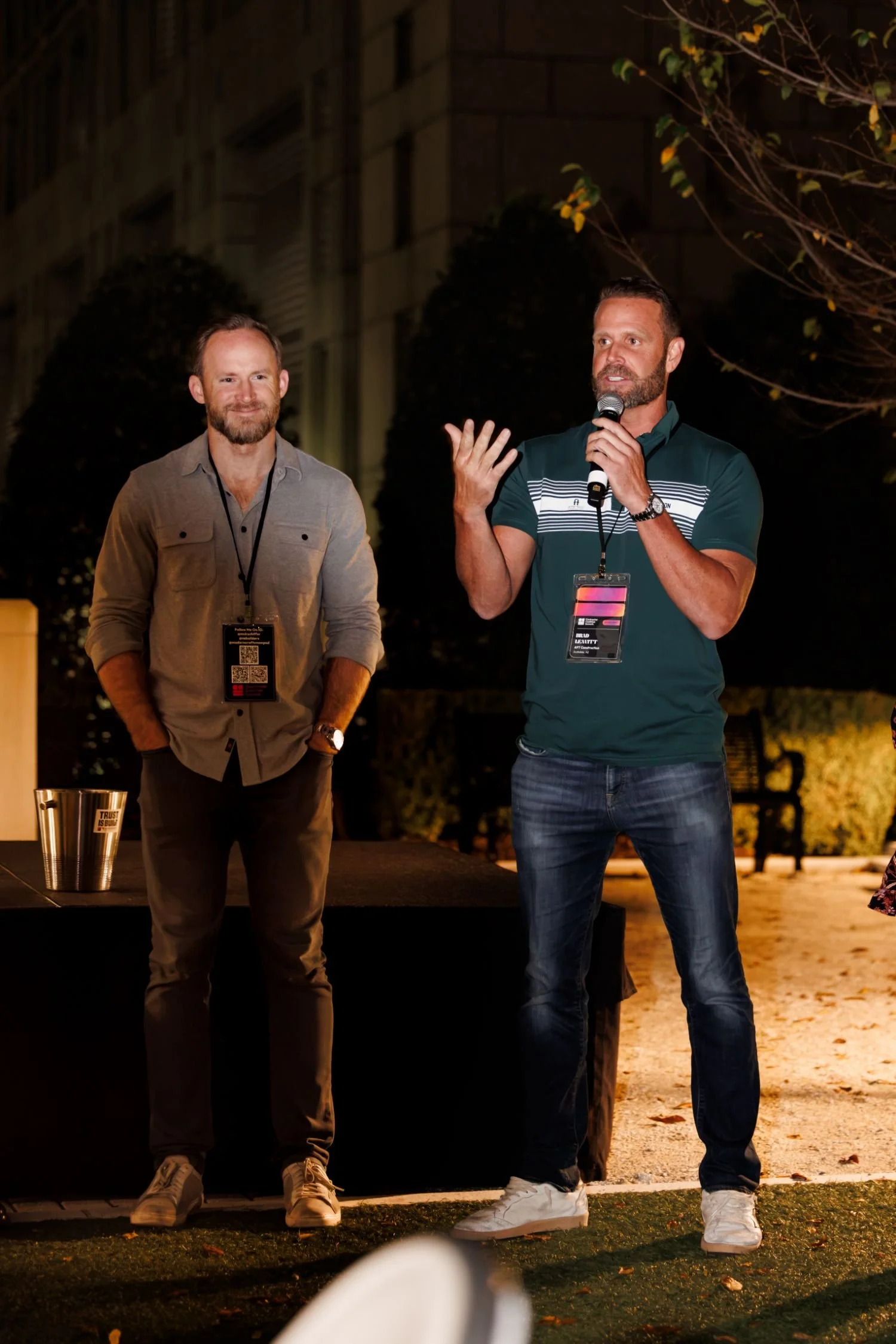
This weekend in Charlotte, a room full of builders pulled out their phones, opened their own websites, and started counting.
Not leads. Not page views. Pronouns.

It's one of the simplest ways to see whether your home builder website messaging is really about you or about the clients you want to serve.
That exercise came from my friend and longtime messaging partner, Paul Kuthe of Tributary Coaching. Paul opened his Contractor Coalition Summit session, "Stop Selling What You Build. Start Selling Why It Matters," with a story about his four-year-old's birthday and a firefighter costume that didn't go as planned (ask him about the firefighting dinosaur). It's a perfect example of what he teaches: people lean in the moment a story starts.
The Pronoun Test Every Builder Should Take
Then he gave the room a simple exercise. Count how many times your website says "we," "our," or your company name. Then count how many times it says "you" or "your." Most builders already know which number wins. I see this all the time.
Four Rules of Website Messaging for Builders
Paul's whole session came back to one idea: people don't buy the best product. They buy clarity. He walked builders through what he calls the ABCs of inspiring action. People take action when they believe. Belief comes from clarity. And clarity comes from understanding the story.
That's a big idea for a room of builders who would rather let their work do the talking. But I've watched it play out across more than 100 websites, and it holds up every time. Your craftsmanship is real. If a prospect can't understand what you do and why it matters to them within a few seconds of landing on your site, though, that craftsmanship never gets the chance to speak.
Paul shared four rules of effective messaging that every builder can put to work:
Link it to survival. People pay attention to whatever helps them protect what matters most. For your clients, that's their family, their investment, and a home they've been dreaming about for years.
Make it easy to understand. Paul calls this "zero cognitive load." Insider language makes a prospect work too hard, and when people have to work, they check out.
Make it memorable and repeatable. In Paul's words, "Don't say 1,000 things once. Say one thing 1,000 times."
Don't be the hero. Your client is the hero of this story. You're the guide who shows up with empathy and a plan. Think Yoda, not Luke.
My favorite part of Paul's teaching is a simple picture of a house. Paul described a home with five front steps leading up to a porch and a front door. The steps are what make someone curious. The porch is where they learn enough to feel confident. The door is where they commit. Then he shows what most business websites actually look like: a house with no front steps at all. They jump straight into explaining everything, long before anyone is curious enough to listen.
Paul's work is grounded in the StoryBrand framework, and StoryBrand's free guide, 5 Things Your Website Should Include, is a great next step if you want to test your own site. It starts with one simple rule: someone should understand what you offer within five seconds of landing on your website.
Why Messaging Comes First in a Builder's Website
This is exactly why messaging comes first in my studio.
Every custom project I take on starts with my Preconstruction Process: Messaging, then Brand Design, then Web Strategy, all before a single page is designed. Builders understand this instinctively. You would never break ground without plans, a budget, and a schedule in place. Your website deserves the same foundation.
Messaging is where Paul comes in. He's a StoryBrand-certified guide, and one of the partners I trust to clarify a builder's story before we design around it. Paul uncovers what your clients are really worried about, finds the words that make them feel understood, and shapes the message every page of the site is built on. From there, I bring that message to life through brand design and a website strategy built to attract the right clients, earn their trust, and turn their interest into real conversations.
That's the heart of my Attract, Trust, Convert framework. Your website has three jobs:
Attract the right people
Build trust before anyone picks up the phone
Convert serious buyers into real conversations.
Clear messaging is what makes all three possible. Tyler Grace (TRG Home Concepts) and Mark Williams (Mark D. Williams Custom Homes) taught a very similar idea in their lead gen session the same weekend. The clients and projects you want don't find you by accident. They find you when your brand is built intentionally around who you serve.
If you want to see what that looks like on a builder website, I put together a free guide, 10 Things Every Home Builder Website Needs.
It walks through the ten things I look for and build into every site I design, organized around those same three jobs.

Free Guide: The 10 Things Every Home Builder Website Needs
Download the free guide and apply simple website strategies to land more projects and become the go-to builder in your area this year!
How Clear Messaging Helped AFT Construction Win a $20M Build
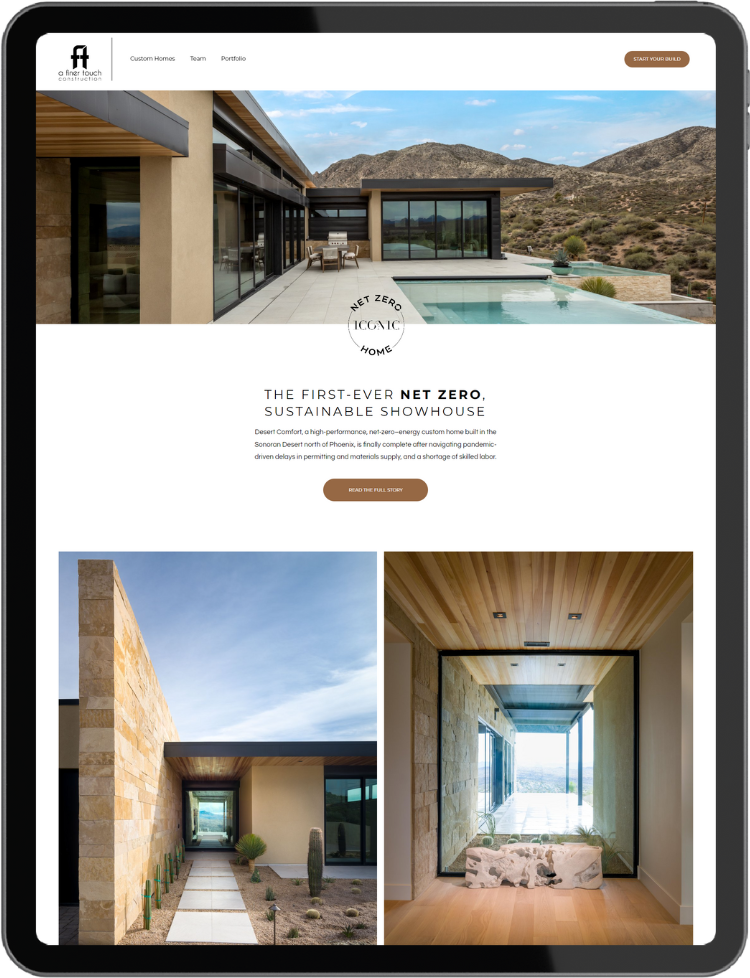
Paul and I have watched this play out together. Brad Leavitt of AFT Construction hired me after I was a guest on his podcast, and I brought Paul in to lead the messaging. Brad had a strong presence, a great process, and a reputation for exceptional work. His website just didn't reflect any of it. In Brad's words, "The website didn't match the brand."
Paul used AFT as his case study this weekend, and the pronoun count told the whole story. Before the rebuild, AFT's site talked about itself (we, our, or AFT) 34 times and spoke directly to the client just eight times. After, those numbers flipped: 17 references to AFT and 34 to the client.
Paul also created a downloadable guide that gave visitors a reason to stay connected before they were ready to call, which helped Brad build his email list. Brad liked the experience so much that Paul went on to rebrand his podcast, too.
And the results followed. Brad shared that AFT was awarded a $20 million build because the client could see that the website matched their brand and their sales presentation. That's what happens when a builder's story, brand, and website finally say the same thing.
Lessons from the Contractor Coalition Summit
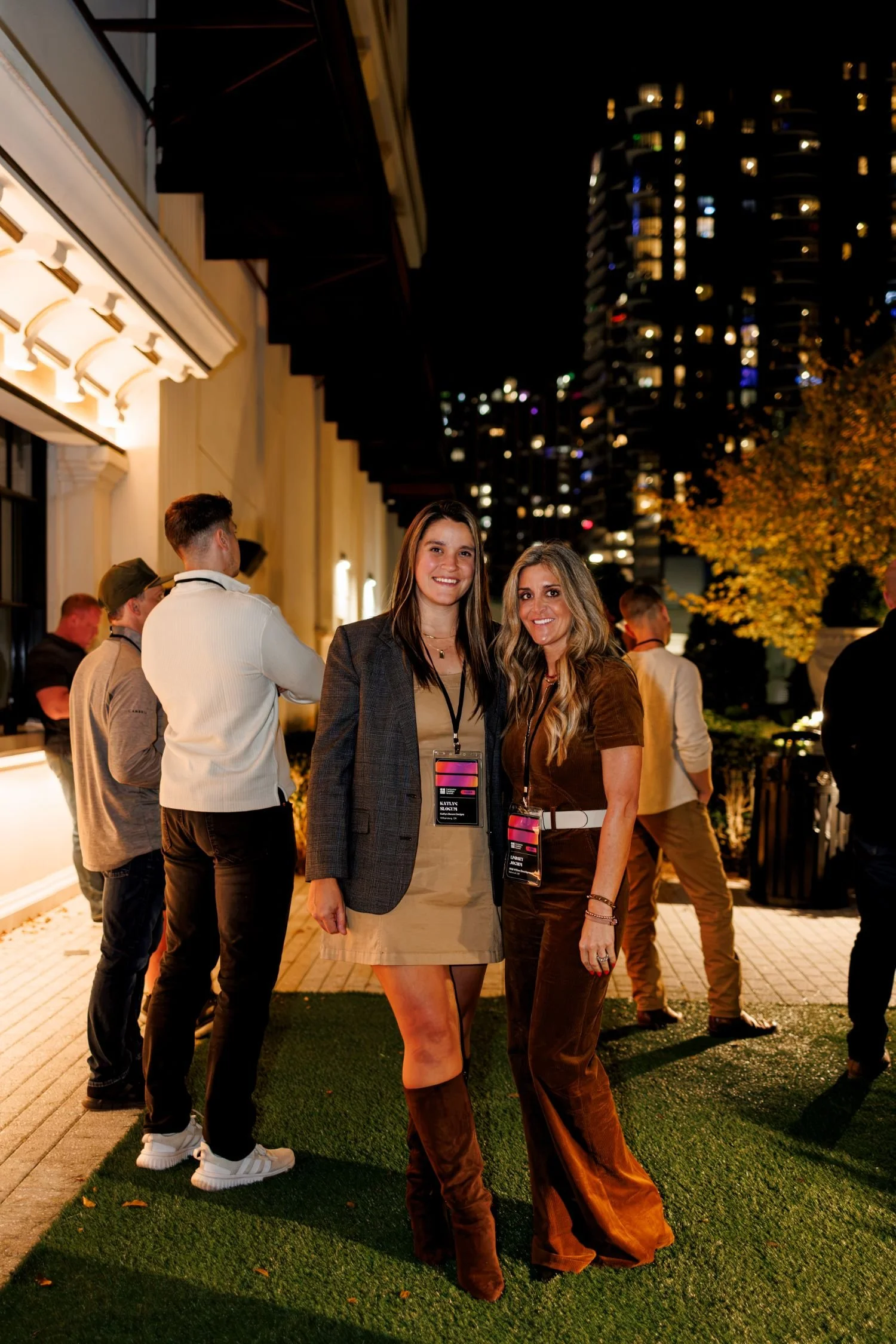
I love sponsoring the Contractor Coalition Summit each year and sessions like Paul's are a big reason why. The hosts have built a room where nobody is gatekeeping. Builders share their real contracts, their real numbers, and the lessons that cost them the most, so that everyone leaves better than they came. That's the kind of industry I want to help build.

Whether or not you were in the room, take Paul's challenge to heart. Pull up your website and count. If the "we" column wins, you're not alone, and it's very fixable. Here's what it really comes down to: your clients don't need to hear more about you. They need to see themselves in your story and trust you to guide them through it.
Clarity over confusion. Always.
If you're ready for a website that puts your clients at the center of your story, I'd love to talk.
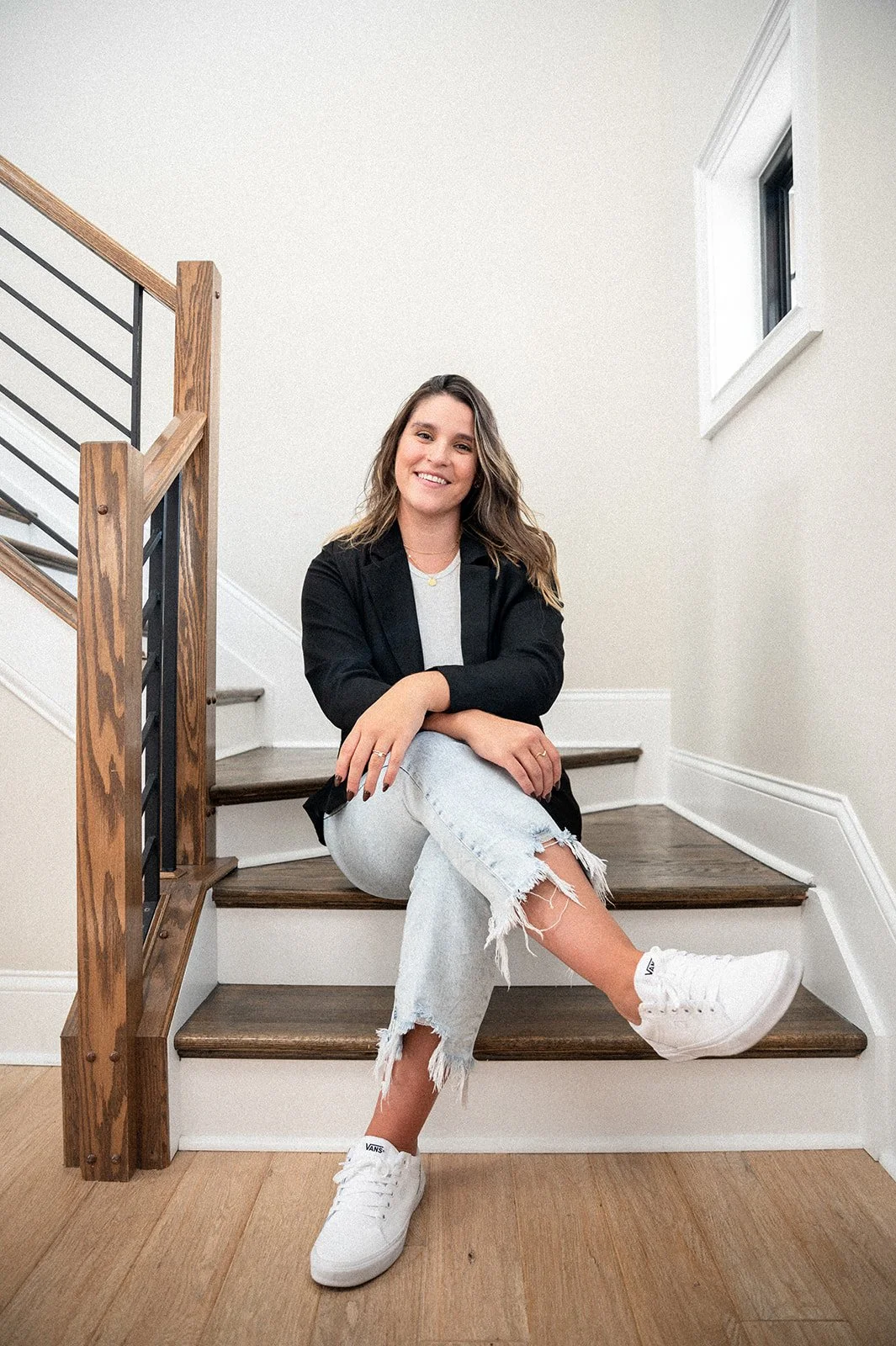
Need a custom home builder website that works as a strong source of lead generation? Let's talk!
I work with custom home builders and renovation companies to design strategic websites that are effective in turning website browsers into buyers. Let's chat about what a custom website can do for your business on a free 30-minute consultation today!